There are no products to list in this category.
Are Vibration Dampening Rings Necessary
Posted By Tattmall on Tuesday 12th May 2026
Are Vibration Dampening Rings Necessary?
Understanding whether vibration dampening rings are necessary for tattoo machines is important for both machine performance and artist comfort. In modern European and American tattoo studios, artists often use various accessories to improve machine stability, reduce vibration, and enhance precision during long sessions. Dampening rings—sometimes called shock-absorbing rings or vibration rings—are commonly installed on coil or rotary machines to minimize excessive movement and noise. For anyone using a
professional tattoo machine
, knowing the real purpose and benefits of these components helps determine whether they are truly essential.
Vibration dampening rings are designed to reduce mechanical vibration and stabilize needle movement. Tattoo machines operate through rapid repetitive motion, which naturally creates vibration. Over long sessions, excessive vibration can contribute to hand fatigue, reduced precision, and discomfort. Dampening rings help absorb part of this vibration before it transfers to the artist’s hand. In many setups using a professional tattoo machine, these rings improve overall control and make the machine feel smoother during operation.
Whether dampening rings are “necessary” depends largely on the type of tattoo machine being used. Traditional coil tattoo machines generate stronger mechanical impact and vibration due to their electromagnetic operation. In these machines, dampening rings can significantly improve comfort and reduce noise. Rotary machines, however, already operate more smoothly because they rely on motor-driven rotational movement rather than magnetic striking force. Many modern rotary systems therefore require less additional vibration control. Artists using a lightweight professional tattoo machine may find dampening rings optional rather than essential.
Dampening rings can also improve precision by stabilizing the needle system during tattooing. Excessive vibration sometimes causes slight instability in the needle bar or cartridge movement, particularly during high-speed operation. By reducing unnecessary machine movement, dampening rings may help create cleaner lines and smoother shading. This is especially beneficial for detailed tattoo work where consistency and control are critical. In high-end tattoo environments across Europe and the United States, artists often customize their professional tattoo machine setups to achieve the exact feel they prefer.
However, improper installation or excessive dampening may negatively affect machine performance. If the rings are too tight or poorly positioned, they can restrict natural movement and reduce machine responsiveness. In coil machines, excessive dampening may soften the machine’s “hit” too much, making it less effective for bold lining work. Some experienced artists actually prefer the direct feedback and natural vibration of an undampened machine because it gives them a stronger tactile connection during tattooing.
Modern machine design has reduced the need for additional vibration accessories in many cases. Advanced rotary systems now feature balanced motors, ergonomic frames, and internal stabilization technology that naturally minimizes vibration. As a result, many artists no longer rely heavily on external dampening rings. Still, for artists sensitive to vibration or working long hours, adding shock-absorbing accessories can improve comfort and reduce physical strain over time.
In conclusion, vibration dampening rings are not always mandatory, but they can provide important benefits depending on the machine type and artist preference. Coil machines often benefit more noticeably from vibration reduction, while many modern rotary systems already operate smoothly enough without additional accessories. For professionals using a
professional tattoo machine
, the decision ultimately depends on comfort, tattoo style, and desired machine feedback. Understanding how dampening affects performance allows artists to customize their setup for maximum precision, efficiency, and long-term comfort.
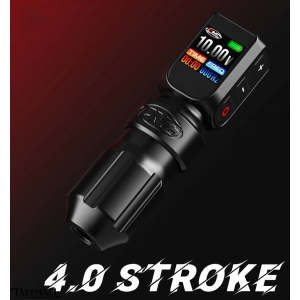
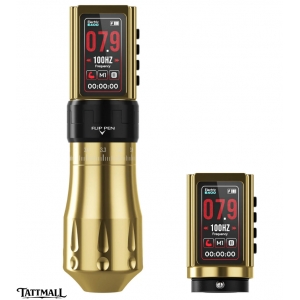
-300.jpg "MARS Power Max V1 Wireless Tattoo Machine 4mm Stroke (Dual Batteries)")