There are no products to list in this category.
Countries Restricting Tattoo Machines
Posted By Tattmall on Tuesday 28th April 2026
Countries Restricting Tattoo Machines
Understanding which countries restrict or regulate tattoo machines is essential for international travel planning. For artists working across Europe and the United States, global mobility is part of the profession—whether attending conventions, guest spots, or private sessions. While tattoo machines are legal in most Western countries, some regions impose strict regulations or cultural restrictions. When traveling with equipment such as a tattoo power supply, it is important to research local laws to avoid legal issues or confiscation at customs.
Most European and North American countries allow tattoo machines, but require compliance with health and safety regulations. In the EU and the U.S., tattooing is regulated rather than prohibited, meaning artists must follow hygiene standards, licensing requirements, and equipment safety rules. Carrying a tattoo machine for professional use is generally permitted, especially when accompanied by proper documentation. Equipment like a
tattoo power supply
is also allowed, provided it meets electrical safety standards and airline regulations.
However, some countries impose strict limitations or cultural restrictions on tattoo equipment. In certain parts of the Middle East, tattooing may be discouraged or restricted due to religious or cultural beliefs. Countries such as Saudi Arabia and the United Arab Emirates do not officially “ban” tattoo machines for personal possession, but professional tattooing activities may be heavily regulated or limited. Carrying tattoo equipment into these regions, including a tattoo power supply, can lead to additional questioning or inspection at customs.
In parts of Asia, regulations can vary widely depending on the country. For example, Japan has historically restricted tattooing to licensed medical practitioners, although enforcement has become more flexible in recent years. Bringing tattoo machines into Japan is generally allowed for personal or professional use, but operating a tattoo business without proper authorization may lead to legal consequences. Other countries may require permits or impose restrictions on professional equipment imports.
Customs regulations and import laws are often more important than outright bans. Even in countries where tattoo machines are legal, customs authorities may require declaration of professional equipment, especially if it appears to be for commercial use. Large quantities of supplies or high-value items may trigger import duties or require additional documentation. Clearly declaring your equipment, including any tattoo power supply, helps avoid misunderstandings and ensures smoother entry into the country.
Research and preparation are essential before traveling internationally with tattoo equipment. Checking official government or airline websites, as well as contacting local embassies, can provide accurate and up-to-date information. Tattoo conventions or event organizers can also offer guidance on local regulations. Understanding both legal and cultural expectations helps artists avoid complications and maintain professionalism while traveling abroad.
In conclusion, very few countries completely ban tattoo machines, but many impose regulations that must be respected. From cultural sensitivities to licensing requirements and customs rules, each destination may have unique considerations. By researching in advance and properly declaring equipment such as a tattoo power supply, tattoo artists can travel confidently and avoid legal or logistical issues. Careful preparation ensures a smooth international experience and supports professional work in diverse global markets.
-300.jpg "MARS M1 Tattoo PEN Wireless Tattoo Machine 4mm Stroke (Dual Batteries)")
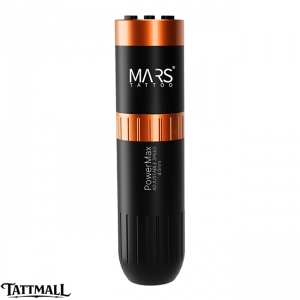
-300.jpg "MARS Stroke Mini Wireless Tattoo Machine 2.5/2.9/3.3/3.7mm Stroke (Dual Batteries)")
-300.jpg "MARS Intelli Wireless Tattoo Machine 4mm Stroke (Dual Batteries)")


