There are no products to list in this category.
How Laser Tattoo Removal Works
Posted By Tattmall on Tuesday 19th May 2026
How Laser Tattoo Removal Works
Understanding the pigment breakdown mechanism behind laser tattoo removal is essential for both tattoo artists and clients. In Europe and the United States, laser tattoo removal has become increasingly common as more people seek tattoo corrections, cover-ups, or complete removal. While tattooing permanently deposits pigment into the dermis layer of the skin, laser technology uses concentrated light energy to break down those pigments into smaller particles that the body can gradually eliminate. For professionals working with a tattoo pen machine, understanding this process also helps explain how tattoo pigments interact with skin over time.
Laser tattoo removal works through a principle known as selective photothermolysis. This process involves directing highly concentrated laser pulses toward tattoo pigment while minimizing damage to surrounding skin tissue. Different wavelengths of laser light target specific ink colors because pigments absorb certain light frequencies more effectively than others. Once the pigment absorbs the laser energy, it rapidly heats and fractures into microscopic particles. These smaller particles are then processed and removed naturally by the body’s immune system.
The body’s lymphatic system plays a crucial role in removing fragmented pigment after laser treatment. After the laser breaks the ink into tiny particles, immune cells called macrophages gradually absorb and transport the pigment fragments away from the skin. This is why tattoo removal requires multiple sessions spread over weeks or months. The body needs time to clear the disrupted pigment naturally. Artists using a
tattoo pen machine
often explain to clients that tattoo pigments are designed to remain stable in the dermis, which is why removal takes time even with advanced laser systems.
Different tattoo ink colors respond differently to laser treatment due to their chemical composition. Black ink is usually the easiest to remove because it absorbs a broad range of laser wavelengths effectively. Colors such as green, blue, and yellow are often more difficult because they reflect certain wavelengths instead of absorbing them. Modern laser systems therefore use multiple wavelengths to target a wider range of pigments. Understanding ink behavior is important not only for removal specialists but also for tattoo artists working with a tattoo pen machine when selecting pigments for long-term tattoo quality.
Skin type, tattoo depth, and ink density also affect the efficiency of pigment breakdown. Professional tattoos placed deeply into the dermis with dense pigment concentrations usually require more sessions than amateur tattoos. Older tattoos may fade more easily because the body has already naturally removed some pigment over time. Skin tone is another important factor, as laser settings must be adjusted carefully to minimize the risk of hyperpigmentation or skin irritation. Clinics in Europe and the U.S. often customize treatment parameters based on individual skin characteristics.
Modern laser technologies have significantly improved safety and treatment effectiveness. Advanced systems such as picosecond lasers deliver ultra-short energy pulses that fragment pigment more efficiently while reducing heat damage to surrounding tissue. Compared to older nanosecond systems, newer technologies often produce faster fading with fewer sessions and shorter recovery times. These advancements continue to improve patient comfort and treatment precision across the global tattoo industry.
In conclusion, laser tattoo removal works by using targeted light energy to break tattoo pigments into tiny particles that the body can gradually eliminate. The process depends on selective photothermolysis, immune system activity, ink composition, and skin characteristics. For professionals using a tattoo pen machine, understanding the science behind pigment implantation and removal provides valuable insight into tattoo longevity, skin interaction, and modern tattoo technology.
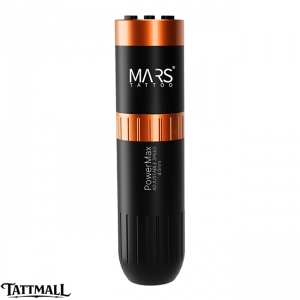
-300.jpg "MARS M1 Tattoo PEN Wireless Tattoo Machine 4mm Stroke (Dual Batteries)")
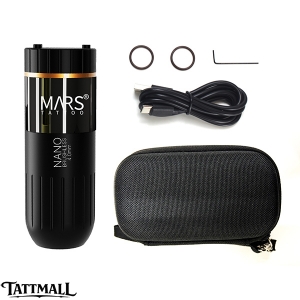
-300.jpg "MARS Intelli Wireless Tattoo Machine 4mm Stroke (Dual Batteries)")


