There are no products to list in this category.
Medical Tattoo Machine Applications
Posted By Tattmall on Wednesday 15th July 2026
Medical Tattoo Machine Applications
Medical-grade tattoo technology is becoming an increasingly important field as healthcare professionals explore advanced pigmentation solutions for reconstructive, cosmetic, and therapeutic applications. In Russia, as well as other international markets, the demand for specialized tattoo equipment is growing beyond traditional body art. Medical and cosmetic professionals are using precision pigmentation techniques for procedures such as scar camouflage, scalp micropigmentation, areola restoration, and medical marking. These applications require higher standards of accuracy, hygiene, stability, and equipment reliability compared with conventional tattooing. Modern
tattoo pen machine
technology provides professionals with improved control, allowing more precise pigment implantation for specialized medical-related procedures.
Precision engineering is the foundation of medical tattoo equipment performance. Unlike ordinary tattoo devices designed primarily for artistic expression, medical-oriented tattoo systems require extremely stable needle movement, accurate depth control, and consistent pigment delivery. Advanced rotary mechanisms, high-quality motors, adjustable stroke systems, and vibration reduction technologies allow practitioners to achieve controlled results on delicate skin areas. A professional tattoo device must maintain smooth operation throughout detailed procedures where even small variations in movement may influence the final outcome. This is why many specialists prefer advanced rotary tattoo pens with precise mechanical structures and reliable performance.
Scar camouflage is one of the most recognized applications of medical tattoo technology. After surgery, injury, burns, or other skin trauma, visible scars may affect a person's confidence and emotional well-being. Medical pigmentation techniques can help reduce the visual contrast between scar tissue and surrounding skin by carefully applying customized pigments. Practitioners use specialized needles, controlled machine settings, and carefully selected pigments to create a more natural appearance. A high-quality tattoo pen machine allows better control over pigment placement, making it easier to perform delicate procedures that require gradual color adjustment and precise technique.
Permanent makeup reconstruction represents another important medical-related application. Many patients seek cosmetic restoration following medical treatments, injuries, or conditions affecting facial features. Procedures such as eyebrow reconstruction, lip restoration, and areola pigmentation after breast surgery require specialized skills and reliable equipment. Medical professionals and trained technicians often rely on lightweight machines with stable motor performance because facial procedures require exceptional precision. Modern cosmetic tattoo machines combine ergonomic design with adjustable settings, allowing practitioners to adapt performance according to different skin conditions and treatment goals.
Scalp micropigmentation has become a rapidly expanding field where precision equipment plays a critical role. This technique uses tiny pigment impressions to create the appearance of natural hair follicles for individuals experiencing hair loss. Because the procedure involves thousands of small pigment placements, consistent needle movement and accurate depth control are essential. Advanced rotary tattoo systems help technicians maintain uniform results over large treatment areas. The development of specialized cartridge systems and improved tattoo pen machine designs has made scalp micropigmentation more efficient, predictable, and comfortable for both practitioners and clients.
Medical tattoo equipment requires strict hygiene and safety considerations. Since these procedures involve controlled skin penetration, practitioners must follow professional sterilization protocols, use disposable sterile cartridges, and maintain clean working environments. Equipment design increasingly focuses on easy cleaning, sealed motor housings, removable grips, and compatibility with medical hygiene standards. While the machine itself does not replace proper sterilization procedures, well-designed medical tattoo equipment can support safer workflows by reducing contamination risks and improving operational efficiency.
Motor technology directly influences the reliability of medical tattoo applications. Brushless motors, intelligent power regulation, and digital speed control systems provide more stable performance than older mechanical designs. Medical procedures often require slower, more controlled movements compared with some traditional tattoo techniques, making motor precision especially important. Wireless rotary tattoo pens with adjustable voltage settings allow practitioners to customize machine behavior according to procedure requirements. These improvements have expanded the capabilities of modern professional tattoo equipment and increased its suitability for specialized applications.
Regulatory awareness and professional training are shaping the Russian medical tattoo market. As interest in cosmetic reconstruction and advanced pigmentation procedures increases, professionals are paying greater attention to equipment quality, documentation, and training standards. Medical-related tattoo procedures require specialized knowledge of skin structure, pigment behavior, healing processes, and hygiene management. Choosing reliable equipment from reputable manufacturers helps practitioners maintain consistent quality while meeting professional expectations. High-performance tattoo machines are increasingly viewed as precision instruments rather than simple artistic tools.
Future developments will focus on intelligent control and personalized treatment solutions. Emerging technologies such as digital skin analysis, smart motor adjustment, pressure monitoring, and AI-assisted procedure planning may further improve medical tattoo applications. Future devices could automatically optimize operating parameters based on skin characteristics, pigment requirements, and treatment objectives. Manufacturers developing advanced tattoo pen systems are increasingly combining mechanical engineering with digital technologies to create more adaptable professional solutions for medical and cosmetic applications.
In conclusion, medical-grade tattoo technology is expanding the role of modern pigmentation equipment beyond traditional artistic tattooing. Applications including scar camouflage, scalp micropigmentation, cosmetic reconstruction, and medical restoration require equipment with exceptional precision, stability, and reliability. Advanced
tattoo pen machine
designs, intelligent motor systems, and improved hygiene features are helping professionals achieve more predictable results while meeting higher safety expectations. For the Russian market, the continued development of medical tattoo equipment represents an important opportunity for clinics, specialists, and trained practitioners seeking advanced solutions for aesthetic and reconstructive procedures.
FAQ
1. What are medical tattoo machines mainly used for?
Medical tattoo equipment is commonly used for scar camouflage, scalp micropigmentation, areola restoration, cosmetic reconstruction, and specialized pigmentation procedures.
2. How are medical tattoo machines different from regular tattoo machines?
Medical-oriented machines usually emphasize higher precision, better stability, controlled movement, hygiene-friendly design, and consistent pigment application.
3. Can a professional tattoo pen machine be used for medical applications?
Some advanced tattoo pen systems may support cosmetic and medical-related procedures when operated by properly trained professionals using suitable techniques and equipment.
4. Why is motor stability important in medical tattoo procedures?
Stable motor performance helps maintain consistent needle movement, accurate pigment placement, and predictable results during delicate procedures.
5. What features should professionals consider when selecting medical tattoo equipment?
Important factors include precision control, motor quality, adjustable settings, hygiene design, cartridge compatibility, reliability, and manufacturer support.
-300.jpg "MARS M1 Tattoo PEN Wireless Tattoo Machine 4mm Stroke (Dual Batteries)")
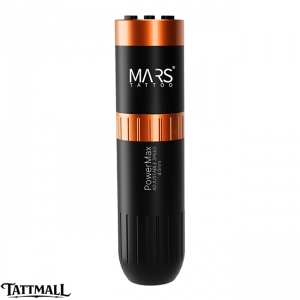
-300.jpg "MARS Stroke Mini Wireless Tattoo Machine 2.5/2.9/3.3/3.7mm Stroke (Dual Batteries)")
-300.jpg "MARS Intelli Wireless Tattoo Machine 4mm Stroke (Dual Batteries)")


