There are no products to list in this category.
Multi-Machine Tattoo Workflow
Posted By Tattmall on Friday 31st July 2026
Multi-Machine Tattoo Workflow
Using multiple tattoo machines during a single session has become a standard workflow for many professional tattoo artists because it improves efficiency, consistency, and overall productivity. In the United States, experienced artists rarely rely on one machine for every stage of a tattoo. Instead, they prepare separate devices for lining, shading, color packing, and fine detailing before the appointment begins. This approach reduces interruptions, minimizes repeated equipment adjustments, and allows artists to concentrate on technique rather than constantly changing settings. A high-quality tattoo machine designed for professional use should deliver stable performance while integrating smoothly into a multi-machine workflow that supports long and demanding tattoo sessions.
Planning each machine's role before the session begins is the foundation of an efficient workflow. Professional artists typically assign a dedicated machine to specific tasks based on stroke length, motor characteristics, and needle configuration. One rotary tattoo machine may be optimized for crisp line work, another for smooth black-and-gray shading, while a third is configured for dense color saturation. Preparing these machines in advance eliminates unnecessary delays and ensures that every stage of the tattoo is completed using equipment specifically adjusted for its intended purpose. This systematic preparation is particularly valuable for large-scale projects such as sleeves, back pieces, or realistic portraits.
Dedicated machine configurations improve consistency throughout the tattooing process. Every tattoo technique requires different operating characteristics. Lining generally benefits from precise needle control and stable penetration, while shading often requires softer transitions and smoother pigment distribution. Color packing usually demands consistent power to achieve even saturation across larger areas. Instead of continuously changing voltage, stroke length, or cartridge type on a single device, professional artists often dedicate one tattoo machine to each application. This reduces setup time while maintaining predictable performance from beginning to end.
Proper workstation organization allows multiple machines to be used safely and efficiently. Before the client arrives, artists arrange their equipment in clearly defined positions to minimize unnecessary movement during the procedure. Each machine should have its own sterile barrier protection, cartridge setup, and cable or battery configuration. Organizing machines according to workflow sequence reduces confusion and lowers the likelihood of accidental contamination. Many professional studios position lining equipment closest to the artist, followed by shading and coloring machines, creating a logical progression throughout the tattoo session.
Wireless tattoo machines have simplified multi-machine workflows considerably. Traditional wired systems required multiple clip cords, foot pedals, and power supplies, increasing cable clutter around the workstation. Modern cordless rotary machines eliminate many of these obstacles by integrating rechargeable batteries directly into the device. Artists can simply place several fully charged machines on the workstation and switch between them instantly as different tattoo techniques are required. Battery monitoring systems and digital voltage displays further improve efficiency by allowing artists to track machine status without interrupting the procedure.
Machine identification and standardized settings improve workflow accuracy. Many professional tattoo artists label their machines according to purpose or configure each device with dedicated voltage presets. Color-coded grip covers, battery sleeves, or machine stands allow artists to identify equipment instantly without checking settings repeatedly. Some advanced digital tattoo systems also store programmable operating profiles, enabling artists to switch between preferred configurations with minimal effort. Standardizing machine assignments reduces setup errors while improving consistency across multiple appointments.
Maintenance becomes even more important when using several tattoo machines. Every machine should be cleaned, inspected, and maintained individually according to the manufacturer's recommendations. Motors, cartridge connections, batteries, grips, and electronic contacts require regular examination to ensure dependable performance. Preventive maintenance reduces the risk of unexpected equipment failure during important sessions. Professional studios often maintain detailed maintenance schedules for each rotary tattoo machine to monitor service intervals, battery health, and component replacement history. Consistent maintenance protects both equipment reliability and tattoo quality.
Team collaboration also benefits from organized multi-machine workflows. In larger studios, assistants may prepare additional machines while lead artists concentrate on tattooing. During collaborative projects involving multiple artists, standardized machine configurations and clearly labeled equipment help ensure smooth transitions between operators. Consistent voltage settings, compatible cartridges, and shared equipment protocols contribute to more efficient teamwork while maintaining high professional standards. Effective coordination becomes especially valuable during conventions, guest artist events, and large custom tattoo projects.
Modern technology continues to improve multi-machine operation. Brushless motors, digital voltage regulation, wireless charging docks, smart battery management, and Bluetooth-enabled configuration systems are making tattoo equipment increasingly intelligent. Some manufacturers are developing integrated ecosystems that allow artists to monitor several tattoo machines simultaneously through centralized control interfaces. Although these technologies continue to evolve, their primary objective remains improving workflow efficiency while reducing unnecessary interruptions during complex tattoo procedures.
In conclusion, a well-planned multi-machine workflow enables tattoo artists to work faster, more accurately, and with greater consistency throughout every stage of the tattooing process. Assigning dedicated machines for lining, shading, coloring, and detailing reduces adjustment time, enhances organization, and supports higher-quality results. Investing in reliable professional tattoo machine systems, maintaining standardized operating procedures, and organizing the workstation effectively allow artists to maximize both productivity and client satisfaction. As modern rotary technology continues to advance, coordinated multi-machine workflows will remain a defining characteristic of efficient professional tattoo studios across the United States.
FAQ
1. Why do professional tattoo artists use multiple tattoo machines?
Using separate machines for lining, shading, and color packing eliminates constant adjustments, improves efficiency, and delivers more consistent tattoo results.
2. How many tattoo machines are typically used during one session?
Many professionals prepare two to four machines depending on the complexity of the tattoo and the techniques required.
3. Are wireless tattoo machines better for multi-machine workflows?
Yes. Wireless machines reduce cable clutter, improve mobility, and allow artists to switch between devices quickly without reconnecting power cords.
4. How should multiple tattoo machines be organized?
Machines should be arranged according to workflow, clearly labeled, protected with sterile barriers, and configured for specific tattoo techniques before the session begins.
5. Does using multiple tattoo machines improve tattoo quality?
When managed correctly, dedicated machine configurations provide greater consistency, reduce interruptions, improve workflow efficiency, and help artists maintain precision throughout long tattoo sessions.
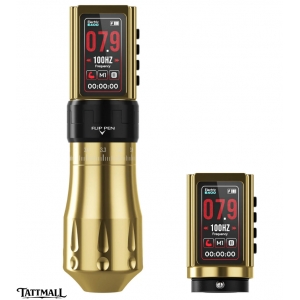
-300.jpg "MARS SMART PRO Wireless Tattoo Machine 2.4-4.2mm Stroke (Dual Batteries)")
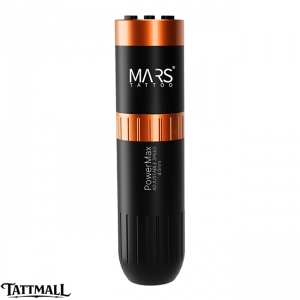
-300.jpg "MARS Intelli Wireless Tattoo Machine 4mm Stroke (Dual Batteries)")


