There are no products to list in this category.
Needle Sterilization Guide
Posted By Tattmall on Thursday 11th June 2026
Needle Sterilization Guide
Proper needle sterilization is one of the most important safety procedures in the tattoo industry. Whether operating a large tattoo studio in Dubai, a private tattoo business in Riyadh, or a boutique body art shop elsewhere in the Middle East, maintaining strict hygiene standards protects both artists and clients from infection and cross-contamination. Although many modern cartridge systems are supplied pre-sterilized and intended for single use, understanding the complete sterilization workflow remains essential for every professional. Safe handling of
tattoo machine needles
not only supports health and regulatory compliance but also enhances studio reputation and client confidence.
The first step in needle sterilization is understanding the difference between disposable and reusable needle systems. Today, most professional artists use disposable cartridge needles that arrive individually packaged and sterilized by the manufacturer. These products are designed for one client and one session only before being discarded in approved sharps containers. Reusable needle bars and certain traditional setups still exist in some regions but require significantly more processing. Before implementing any sterilization protocol, artists must determine whether their needle configuration is intended for reuse or disposal. Modern cartridge needle systems and sterile tattoo needle cartridges have greatly simplified infection-control procedures in professional environments.
Pre-cleaning is essential before any sterilization process can be effective. Sterilization cannot reliably eliminate contamination if dried ink, blood residue, or organic material remains on the equipment. Reusable components associated with tattoo needle assemblies should first be rinsed and manually cleaned using approved cleaning agents. Ultrasonic cleaning units are commonly used because they help remove microscopic debris from hard-to-reach surfaces. In professional studios throughout the Middle East, pre-cleaning is considered a mandatory stage because even advanced sterilization equipment cannot function properly when contaminants remain attached to surfaces.
Autoclave sterilization remains the international gold standard for reusable tattoo equipment. An autoclave uses high-pressure saturated steam at controlled temperatures to destroy bacteria, viruses, fungi, and bacterial spores. This method is widely accepted throughout the global healthcare and tattoo industries. After thorough cleaning, reusable components should be placed into sterilization pouches and processed according to the manufacturer's specifications. Many artists who work with
tattoo machine needles
rely exclusively on autoclave systems because they provide the highest level of sterilization assurance available in professional environments. Studios that advertise premium hygiene standards often emphasize the use of medical-grade autoclave procedures.
Packaging and storage are just as important as the sterilization process itself. Once equipment has been sterilized, it must remain protected until use. Sterile pouches help maintain cleanliness and provide visual confirmation that sterilization has been completed. Packages should be stored in clean, dry environments away from dust, moisture, and excessive heat. In some Middle Eastern regions, high temperatures and environmental dust can present additional challenges, making proper storage particularly important. Even perfectly sterilized tattoo needle cartridges or reusable needle assemblies can become contaminated if stored improperly after processing.
Documentation and quality control help ensure consistent safety standards. Professional tattoo studios often maintain sterilization logs that record autoclave cycles, maintenance schedules, and biological indicator testing results. These records demonstrate a commitment to safety and can be valuable for regulatory compliance. Many premium studios routinely test their sterilization equipment to verify that it is operating correctly. For businesses handling tattoo machine needles on a daily basis, systematic documentation helps reduce risk and supports long-term operational consistency.
Personal protective equipment and handling procedures are critical components of the sterilization workflow. Sterilized equipment can become contaminated if handled improperly. Artists should use disposable gloves when opening sterile packages and preparing equipment for use. Work surfaces should be disinfected before setup, and all materials that come into contact with sterile components should meet appropriate hygiene standards. Whether working with cartridge tattoo needles, sterile needle modules, or traditional tattoo needle assemblies, maintaining a sterile field is essential for preventing contamination between sterilization and actual tattooing.
Single-use cartridge systems have become increasingly popular because they reduce sterilization complexity and improve workflow efficiency. Many modern studios in the Middle East have adopted disposable cartridge technology to simplify compliance with hygiene standards. These systems eliminate many of the challenges associated with processing reusable equipment while providing consistent sterility. However, even when using disposable cartridges, artists must still follow proper storage, handling, and disposal procedures. The popularity of cartridge-based tattoo machine needles reflects the industry's ongoing movement toward safer and more efficient infection-control practices.
Sharps disposal and post-session safety procedures should never be overlooked. After a tattoo session, used needles and cartridges must be immediately discarded into approved puncture-resistant sharps containers. Reusing disposable needles is never acceptable under professional standards. Proper disposal protects artists, clients, cleaning personnel, and waste-management workers from accidental injury and contamination. A complete sterilization strategy extends beyond the tattoo process itself and includes responsible management of all used materials.
In conclusion, effective needle sterilization requires a systematic approach that includes cleaning, sterilization, storage, handling, documentation, and safe disposal. While many modern artists rely on pre-sterilized disposable systems, understanding the complete process remains essential for maintaining professional standards. For tattoo studios operating in the Middle East, strict adherence to hygiene protocols supports client safety, regulatory compliance, and long-term business success. Whether using cartridge tattoo needles, sterile needle modules, or traditional reusable systems, proper management of
tattoo machine needles
remains one of the most important responsibilities in professional tattooing.
FAQ
1. Are disposable tattoo needles already sterilized?
Yes. Most modern cartridge needles are supplied individually packaged and sterilized by the manufacturer for single use.
2. What is the safest method for sterilizing reusable tattoo needles?
Autoclave sterilization using pressurized steam is considered the industry standard for reusable tattoo equipment.
3. Can alcohol alone sterilize tattoo needles?
No. Alcohol can disinfect surfaces but does not provide the complete sterilization achieved by an autoclave.
4. How should sterilized needles be stored?
They should remain sealed in sterile pouches and stored in a clean, dry environment until use.
5. Why are disposable cartridge needles so popular?
They improve hygiene, reduce sterilization workload, lower contamination risks, and simplify compliance with professional safety standards.
Related Products
-
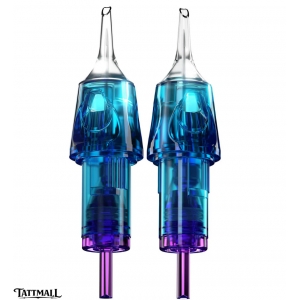
CNC Dimension 304 Stainless Steel Round Liner RL Tattoo Cartridge Needles 20PCS
-
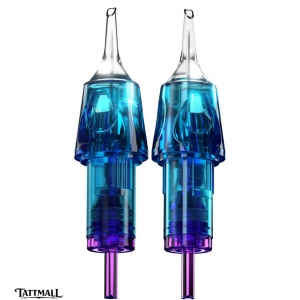
CNC Dimension 304 Stainless Steel Round Shader RS Tattoo Cartridge Needles 20PCS
-
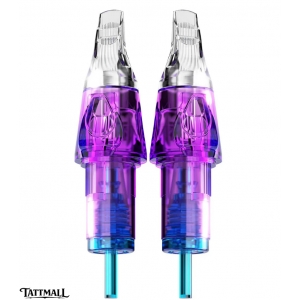
CNC Dimension 304 Stainless Steel Round Magnum RM Tattoo Cartridge Needles 20PCS
-
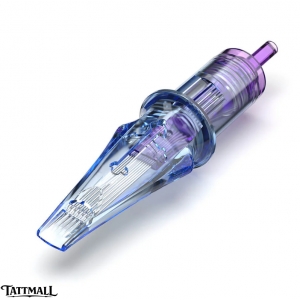
The King's Swords 304 Stainless Steel Weaved Magnum M1 Tattoo Cartridge Needles 20PCS


