There are no products to list in this category.
Power Cord Short Circuit
Posted By Tattmall on Wednesday 17th June 2026
Power Cord Short Circuit
Detecting a tattoo machine power cord short circuit is essential for maintaining safety, protecting equipment, and ensuring uninterrupted tattoo sessions. In the growing Middle Eastern tattoo industry, artists increasingly rely on both wired and wireless systems, but power-related issues remain among the most common causes of machine failure. A damaged power cord can cause unstable voltage, machine shutdowns, overheating, electrical sparks, or even permanent equipment damage. For tattoo studios, distributors, and businesses involved in
tattoo machine wholesale
, understanding how to identify and prevent short circuits can reduce maintenance costs and improve operational reliability. Whether using rotary machines, coil machines, or advanced power supplies, proper electrical diagnostics are a critical part of professional equipment management.
Understanding what a short circuit actually is helps simplify troubleshooting. A short circuit occurs when electrical current follows an unintended path due to damaged insulation, exposed wiring, loose connections, or internal conductor failure. Instead of flowing normally through the machine and power supply, electricity bypasses the intended circuit route. This can create excessive current flow, heat buildup, and unstable machine performance. In commercial tattoo equipment and professional tattoo systems, power cords experience repeated bending, movement, and transportation, making them vulnerable to gradual wear. Businesses involved in tattoo equipment distribution and tattoo machine wholesale often encounter cable-related issues because cords are among the most frequently handled components.
Visual inspection is the first and simplest method of detecting power cord problems. Before using any diagnostic tools, artists should carefully examine the entire length of the cable. Common warning signs include cracked insulation, exposed wires, flattened sections, burn marks, discoloration, bent connectors, or loose plugs. Areas near the connector ends deserve special attention because repeated flexing often causes internal wire damage. Even if the outer insulation appears intact, subtle signs of wear may indicate developing electrical issues. Professional tattoo equipment suppliers frequently recommend routine visual inspections as part of standard maintenance procedures.
Intermittent machine behavior often indicates a hidden cable fault. A tattoo machine that suddenly loses power, restarts unexpectedly, fluctuates in speed, or responds inconsistently when the cord is moved may be experiencing an internal wiring problem. These symptoms often occur before complete failure develops. Artists can perform a simple movement test by gently flexing different sections of the cable while observing machine performance. If power interruptions occur during movement, internal conductor damage may be present. Many businesses operating in the tattoo supply wholesale industry use this basic test during quality-control inspections because it quickly identifies potential cable weaknesses.
A multimeter provides the most reliable method for diagnosing a suspected short circuit. This tool measures electrical continuity and resistance within the cable. After disconnecting the equipment from power sources, technicians can test individual conductors to verify whether current flows correctly. Extremely low resistance between conductors that should remain isolated may indicate a short circuit. Likewise, a complete lack of continuity may suggest a broken wire. For professional studios, distributors, and companies involved in
tattoo machine wholesale
, a quality multimeter is one of the most useful diagnostic tools available. It allows problems to be identified accurately before they lead to more serious equipment damage.
Connector quality plays a significant role in preventing electrical faults. Power cords often fail at connection points rather than along the cable itself. RCA connectors, DC plugs, and other power interfaces experience constant insertion, removal, and movement. Loose contacts may generate heat, electrical arcing, or intermittent power delivery. Over time, these issues can contribute to short circuits or premature component failure. Many premium tattoo power systems use reinforced connectors and strain-relief designs specifically to improve durability. Businesses specializing in tattoo equipment wholesale often prioritize connector quality because it directly affects long-term customer satisfaction.
Environmental conditions in the Middle East can accelerate cable wear. High temperatures, dust exposure, and frequent transportation place additional stress on electrical accessories. Prolonged exposure to heat may gradually weaken insulation materials, while dust accumulation can affect connection quality. Mobile artists, convention exhibitors, and traveling professionals often subject cables to repeated packing and unpacking cycles that increase mechanical strain. For this reason, many commercial tattoo equipment suppliers recommend storing power cords in protective cases and avoiding sharp bends during transportation. Proper handling practices significantly reduce the likelihood of future short-circuit issues.
Preventive maintenance is more effective than emergency repairs. Waiting until a complete power failure occurs can disrupt appointments and potentially damage expensive equipment. Regular inspection schedules help identify developing issues before they become serious. Artists should routinely examine cords, clean connectors, test power stability, and replace damaged accessories promptly. Many professional studios maintain spare power cables and backup accessories to minimize downtime. Companies engaged in tattoo machine wholesale often advise customers that power cords should be viewed as wear items rather than permanent components, especially in high-use environments.
Replacing a damaged cable is often safer than attempting extensive repairs. While minor connector maintenance may be possible, heavily damaged cords should generally be replaced rather than patched repeatedly. Temporary repairs may hide underlying electrical risks and create future reliability problems. High-quality replacement cables designed specifically for professional tattoo systems provide better protection, stable power transmission, and improved durability. For artists who depend on consistent machine performance, investing in reliable power accessories is a small cost compared to the consequences of unexpected equipment failure during a tattoo session.
In conclusion, detecting a tattoo machine power cord short circuit requires a combination of visual inspection, symptom recognition, electrical testing, and preventive maintenance. Common warning signs include power interruptions, overheating, damaged insulation, unstable machine performance, and connector wear. By using proper diagnostic techniques and replacing damaged components promptly, artists can protect their equipment and maintain reliable operation. For businesses involved in tattoo machine wholesale, commercial tattoo equipment distribution, and professional tattoo supply networks, educating customers about cable safety helps reduce failures, improve customer satisfaction, and support long-term equipment reliability.
FAQ
1. What are the most common signs of a tattoo machine power cord short circuit?
Unexpected shutdowns, voltage fluctuations, overheating, sparks, and power interruptions are common warning signs.
2. Can a damaged power cord harm a tattoo machine?
Yes. Unstable electrical flow caused by a faulty cord can damage power supplies, batteries, motors, and electronic components.
3. Is a multimeter necessary for diagnosing a short circuit?
While visual inspection helps, a multimeter provides the most accurate method for confirming electrical faults.
4. Which part of the cable fails most often?
Connector areas and sections near plugs typically experience the highest stress and are the most common failure points.
5. Should damaged tattoo machine power cords be repaired or replaced?
Minor connector issues may be repairable, but severely damaged cords should generally be replaced for safety and reliability.
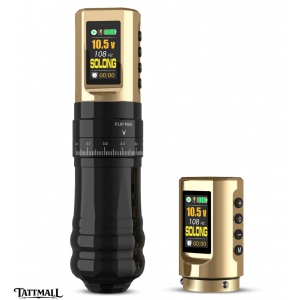
-300.jpg "MARS SMART PRO Wireless Tattoo Machine 2.4-4.2mm Stroke (Dual Batteries)")
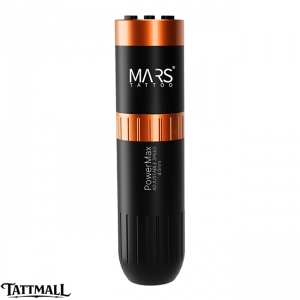
-300.jpg "MARS Stroke Mini Wireless Tattoo Machine 2.5/2.9/3.3/3.7mm Stroke (Dual Batteries)")


