There are no products to list in this category.
Remote Tattoo Machine Diagnosis
Posted By Tattmall on Saturday 08th August 2026
Remote Tattoo Machine Diagnosis
Remote diagnosis technology is changing how professional tattoo artists and studios identify equipment problems, reducing downtime and improving the reliability of modern tattoo systems. In the United States, where professional tattoo appointments are often scheduled weeks in advance, unexpected equipment failure can affect both artist productivity and customer experience. Traditional troubleshooting usually requires sending equipment for inspection or waiting for technical support, which can take valuable time. With the development of smart electronics, wireless connectivity, and digital monitoring systems, manufacturers are exploring remote diagnostic solutions that allow technicians to analyze equipment conditions without physical access. Advanced tattoo pen machine platforms with intelligent control systems are becoming an important foundation for this new approach to equipment maintenance.
Remote diagnosis works by collecting operating data from the tattoo machine and analyzing possible problems through digital systems. Modern equipment may include sensors that monitor voltage stability, battery performance, motor temperature, operating speed, and electronic connection status. When abnormal conditions occur, diagnostic software can identify unusual patterns and provide possible solutions. Instead of guessing whether a problem comes from the battery, motor, power connection, or internal electronics, technicians can review machine data and guide artists through targeted troubleshooting steps. This approach improves repair efficiency while reducing unnecessary equipment replacement.
Wireless connectivity is one of the key technologies supporting remote tattoo machine diagnosis. Many advanced rotary and cordless devices now include Bluetooth or other communication systems that allow information to be transferred to mobile applications or manufacturer support platforms. Through connected software, artists may receive maintenance reminders, firmware updates, operating reports, and troubleshooting recommendations. A connected tattoo pen machine can provide valuable information about its working condition, helping professionals maintain consistent performance during daily studio operations.
Motor and power system monitoring are major areas where remote diagnosis provides value. The motor is one of the most important components of a professional tattoo machine because it controls needle movement, speed stability, and overall performance. Remote monitoring can help detect issues such as overheating, unstable voltage output, unusual vibration patterns, or reduced motor efficiency. Battery-related problems can also be identified by analyzing charging cycles, voltage levels, and power consumption. Early detection allows artists to solve minor issues before they become serious equipment failures.
Remote troubleshooting can significantly improve maintenance efficiency for tattoo studios. In the past, artists often relied on online discussions, manuals, or personal experience to identify technical problems. While these methods can be helpful, they may not always provide accurate solutions. Remote diagnostic systems allow manufacturers or professional technicians to provide more precise guidance based on actual equipment data. This reduces repair time and helps artists return to work faster, especially when using advanced rotary tattoo devices in busy professional environments.
Firmware and software updates are becoming an important part of remote equipment management. Many modern tattoo machines now include digital displays, programmable settings, and electronic control systems. Similar to smartphones or professional electronic devices, these systems may improve through software updates. Remote support platforms can help users install new firmware versions that improve stability, optimize battery performance, or fix software-related issues. These features make a smart tattoo pen machine more adaptable and easier to maintain throughout its service life.
Data security and privacy are important considerations for remote tattoo equipment management. Because connected devices collect technical information, manufacturers must ensure that communication systems are secure and reliable. Remote diagnosis should focus on equipment performance data rather than collecting unnecessary personal information. Professional users should also choose equipment from reputable manufacturers that provide clear security policies and reliable technical support. A safe digital environment is essential for building trust between artists, studios, and equipment providers.
Remote diagnosis does not completely replace professional repair services but works as an efficient first step. Some issues, such as damaged internal components, mechanical wear, or severe electronic failures, may still require physical inspection. However, remote analysis can help determine whether a problem requires professional servicing or can be solved through simple adjustments. This prevents unnecessary shipping costs and reduces downtime. For professional tattoo artists, combining remote support with regular maintenance creates a more reliable equipment management strategy.
The future of remote tattoo machine technology will likely include artificial intelligence and predictive maintenance systems. Instead of only identifying existing problems, future systems may predict potential failures before they happen by analyzing long-term performance data. Artificial intelligence could evaluate motor behavior, battery patterns, and usage conditions to recommend maintenance schedules automatically. As smart technology continues to develop, professional tattoo equipment may become more intelligent, efficient, and easier to manage.
In conclusion, remote diagnosis technology represents an important development in the future of professional tattoo equipment maintenance. By combining sensors, wireless communication, digital monitoring, and intelligent software, manufacturers can help artists solve problems faster and improve equipment reliability. A modern tattoo pen machine equipped with smart diagnostic features can provide better control, easier maintenance, and greater confidence for professional users. As the American tattoo industry continues to adopt advanced technology, remote equipment management will likely become a valuable tool for improving studio efficiency and reducing unexpected interruptions.
FAQ
1. What problems can remote tattoo machine diagnosis detect?
Remote systems can help identify issues related to battery performance, voltage stability, motor temperature, connection problems, and software-related errors.
2. Do all tattoo machines support remote diagnosis?
No. Basic tattoo machines without digital systems or wireless connectivity usually cannot provide remote diagnostic functions.
3. Can remote diagnosis repair a tattoo machine automatically?
Usually not. Remote diagnosis identifies possible problems and provides guidance, but physical repairs may still require professional service.
4. Are smart tattoo machines safe to connect to mobile applications?
Reliable manufacturers design connected systems with security measures, but users should choose reputable brands and follow recommended software practices.
5. Will artificial intelligence improve tattoo machine maintenance in the future?
Yes. AI-based systems may help predict equipment problems, optimize maintenance schedules, and improve the reliability of professional tattoo machines.
-300.jpg "MARS M1 Tattoo PEN Wireless Tattoo Machine 4mm Stroke (Dual Batteries)")
-300.jpg "MARS SMART PRO Wireless Tattoo Machine 2.4-4.2mm Stroke (Dual Batteries)")
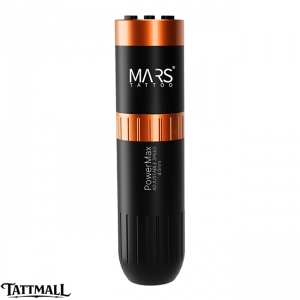
-300.jpg "MARS Intelli Wireless Tattoo Machine 4mm Stroke (Dual Batteries)")


