There are no products to list in this category.
Smart Lock Integration
Posted By Tattmall on Wednesday 24th June 2026
Smart Lock Integration
The integration of smart locks with tattoo machines represents an emerging trend in the evolution of professional tattoo equipment. As tattoo studios across Europe and North America increasingly adopt digital technologies, equipment manufacturers are exploring ways to improve security, workflow management, device authorization, and operational efficiency. While traditional tattoo machines operate independently, modern wireless systems equipped with Bluetooth, cloud connectivity, and user authentication features can interact with external smart devices. One particularly interesting application is the integration of smart locks and access-control systems with tattoo equipment. For businesses involved in tattoo machine wholesale, understanding these emerging technologies can help anticipate future market demands and customer expectations.
Equipment security is one of the most practical applications of smart lock integration. Professional tattoo machines often represent a significant financial investment, especially in large studios operating multiple workstations. Smart lock systems can restrict access to authorized personnel by requiring fingerprint verification, smartphone authentication, NFC cards, or digital credentials before equipment becomes operational. In this scenario, a wireless tattoo machine remains inactive until the authorized artist unlocks it through a connected security platform. This approach helps reduce unauthorized use, equipment theft, and accidental operation. Many businesses participating in tattoo equipment distribution and tattoo machine wholesale are beginning to recognize security features as valuable selling points for premium devices.
User-specific machine profiles create opportunities for personalized workflows. In multi-artist studios, different tattooists often prefer different voltage settings, stroke configurations, and machine performance parameters. When a smart lock system identifies an individual artist, connected tattoo equipment can automatically load personalized presets. This eliminates the need for manual adjustments before each session and improves consistency across appointments. Advanced tattoo machine management platforms could synchronize settings across multiple devices, allowing artists to work efficiently at different locations. Such automation is particularly attractive for commercial tattoo equipment suppliers serving professional studios and franchise operations.
Inventory control and equipment management can also benefit from smart lock connectivity. Large tattoo studios may own dozens of machines, batteries, chargers, and accessories. Tracking which artist uses which device can be challenging without digital monitoring systems. Smart lock integration can automatically record equipment access, operating hours, maintenance schedules, and user activity. This information helps studio managers monitor equipment utilization and schedule preventive maintenance more effectively. Companies involved in tattoo machine wholesale and professional tattoo supply distribution often view asset management features as increasingly valuable in larger commercial environments.
Training and certification verification present another interesting use case. Certain advanced tattoo machines may include specialized operating modes intended for experienced professionals. Smart access systems could restrict these functions until an artist's qualifications or certifications have been verified within the studio management platform. New employees might initially receive access only to basic operating modes, while senior artists unlock advanced functionality. Although not yet widespread, this concept illustrates how smart authentication technologies could support professional standards and operational consistency within growing tattoo businesses.
Remote management capabilities are becoming increasingly relevant in modern studios. Cloud-connected smart lock systems allow administrators to monitor and manage equipment from remote locations. Studio owners can review device usage, authorize temporary access, disable lost equipment, or update user permissions without being physically present. For multi-location businesses operating across Europe and North America, centralized management improves oversight while reducing administrative complexity. Similar technologies are already common in other industries, making their eventual adoption within professional tattoo equipment a logical progression.
Client safety and hygiene protocols may also benefit from integrated access systems. Smart lock platforms can help ensure that only properly maintained and inspected equipment is available for use. Before a machine becomes operational, the system could verify maintenance status, battery condition, sterilization records for associated components, or software updates. If required procedures have not been completed, access may be restricted until compliance requirements are met. Such safeguards can enhance quality control and strengthen client confidence in professional tattoo services.
Data security and privacy considerations must accompany any connected technology. As tattoo machines become increasingly digital, protecting user information and operational data becomes essential. Smart lock systems should employ encrypted communication, secure authentication methods, and reliable software update mechanisms. Studio owners must ensure that client information, employee credentials, and operational records remain protected from unauthorized access. Manufacturers serving the tattoo machine wholesale market are likely to face growing expectations regarding cybersecurity and digital infrastructure as connectivity features become more common.
Cost-effectiveness will influence adoption rates. While advanced smart lock integration offers numerous benefits, not every studio requires enterprise-level equipment management. Smaller businesses may prefer simpler solutions, while larger operations can often justify investments in connected ecosystems through improved security, efficiency, and accountability. As technology matures and implementation costs decline, smart authentication features may gradually become standard in premium wireless tattoo systems, much as Bluetooth connectivity and digital displays have become increasingly common today.
In conclusion, smart lock integration represents a promising direction for the future of professional tattoo equipment. By combining security, personalized settings, inventory management, maintenance tracking, and remote administration, connected systems can enhance both operational efficiency and equipment protection. For manufacturers, distributors, and businesses involved in tattoo machine wholesale, the development of intelligent access-control technologies offers new opportunities to differentiate products and serve the evolving needs of modern tattoo studios. As digital transformation continues across Europe and North America, smart lock-enabled tattoo systems may become an increasingly important component of professional studio management.
FAQ
1. What is a smart lock tattoo machine system?
It is a tattoo machine connected to an authentication or access-control platform that restricts usage to authorized users.
2. How can smart locks improve tattoo studio security?
They help prevent unauthorized use, equipment theft, and accidental operation by requiring user verification before activation.
3. Can smart locks save individual machine settings?
Yes. Advanced systems can automatically load personalized voltage, stroke, and operational presets based on user identity.
4. Are smart lock tattoo machines currently common?
They are still an emerging technology but reflect broader trends toward connected and intelligent professional equipment.
5. Why are distributors interested in smart lock integration?
Security, asset management, and workflow automation provide additional value that can differentiate products in the competitive tattoo equipment market.
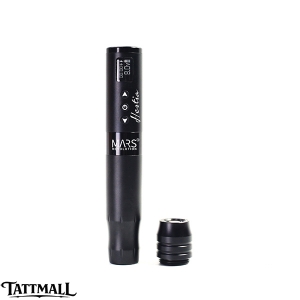
-300.jpg "MARS Power Max V1 Wireless Tattoo Machine 4mm Stroke (Dual Batteries)")
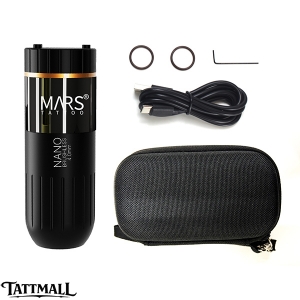
-300.jpg "MARS Intelli Wireless Tattoo Machine 4mm Stroke (Dual Batteries)")


