There are no products to list in this category.
Tattoo Machine Settings Guide
Posted By Tattmall on Monday 03rd August 2026
Tattoo Machine Settings Guide
Understanding tattoo machine parameter principles is an essential skill for artists who want better control, improved consistency, and higher-quality tattoo results. In the United States, professional tattoo artists increasingly focus not only on artistic ability but also on understanding how equipment settings influence needle movement, pigment implantation, and skin response. Modern machines provide many adjustable functions, including voltage, stroke length, needle depth, and operating speed. Learning how these parameters interact helps artists choose suitable settings for different techniques and skin types. A properly adjusted
tattoo pen machine
allows smoother operation, better precision, and more predictable results throughout the tattooing process.
Voltage is one of the most important parameters because it controls the energy supplied to the machine motor. When voltage increases, the motor generally receives more power, which can affect needle speed and impact strength. Lower voltage settings may create softer needle movement that works well for delicate shading or sensitive skin, while higher settings may provide stronger performance for bold lining or dense color packing. However, increasing voltage does not automatically improve tattoo quality. Excessive power can create unnecessary skin trauma, while insufficient power may result in inconsistent pigment application. Professional artists learn to adjust voltage according to technique, needle configuration, and machine characteristics rather than relying on a fixed number.
Stroke length determines how far the needle travels during each cycle and influences the machine's working style. Shorter stroke configurations usually provide softer movement and are often preferred for smooth shading, blending, and cosmetic procedures. Medium strokes offer versatility for artists who perform multiple styles, while longer strokes create stronger needle movement that can support bold lines and heavy pigment saturation. Understanding stroke mechanics allows artists to select the right equipment configuration instead of forcing one machine to handle every application. Many modern rotary systems and tattoo pen machine models feature adjustable stroke systems, giving artists greater flexibility during different tattoo projects.
Needle depth adjustment directly affects pigment placement and skin impact. The needle should penetrate deeply enough to place pigment correctly but not so deeply that it causes unnecessary damage. Too shallow penetration may lead to poor pigment retention and uneven results, while excessive depth can increase bleeding, swelling, and healing time. Experienced artists adjust needle exposure based on tattoo style, body location, skin thickness, and individual client characteristics. Proper depth control is especially important when using precision rotary tattoo equipment because consistent needle movement allows more accurate adjustments.
Motor performance influences the overall behavior of a tattoo machine. Different motors provide different levels of torque, speed stability, and vibration control. High-quality brushless motors are commonly used in modern professional equipment because they offer efficient operation, reduced noise, and reliable performance over long sessions. Motor efficiency affects how the machine responds when working with different needle groupings or skin resistance levels. A well-designed rotary tattoo device maintains consistent movement instead of losing power during demanding techniques such as large-scale color packing.
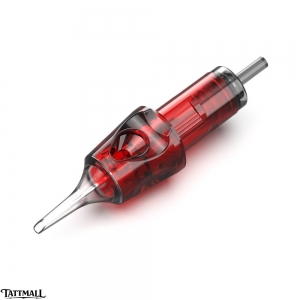
Needle configuration and machine settings must work together for optimal results. A machine adjusted for a fine liner needle may perform differently when paired with a large magnum cartridge. Larger needle groupings typically require more stable power delivery, while smaller configurations may require greater precision and control. Artists should consider the relationship between cartridge type, voltage, stroke length, and hand speed. Understanding this relationship allows professionals to create customized setups instead of depending on one universal configuration. The flexibility of a modern tattoo pen machine makes it easier to fine-tune performance for different artistic requirements.
Skin type and tattoo location are also important factors when adjusting parameters. Different areas of the body have different levels of thickness, elasticity, and sensitivity. Areas with thinner skin may require gentler settings, while thicker areas may require stronger and more stable machine performance. Experienced artists consider both technical parameters and biological factors before beginning a tattoo. Proper machine adjustment is not only about equipment specifications—it is about creating a balanced interaction between the machine, needle, ink, and client's skin.
Digital technology has made parameter adjustment more convenient for modern tattoo artists. Many advanced wireless rotary machines now include digital screens, memory presets, battery monitoring, and adjustable operating modes. These features allow artists to save preferred settings for specific techniques and quickly switch between configurations during a session. Some professional systems provide more precise voltage control compared with traditional power supplies, helping artists achieve greater consistency. As tattoo technology continues to develop, understanding digital controls has become an important part of professional equipment knowledge.
Learning machine parameter principles requires practice, observation, and continuous adjustment. Artists should study how different settings affect line quality, shading smoothness, color saturation, and skin response. Testing equipment on practice materials can help beginners understand how changes in voltage, stroke, and needle movement influence results before working on clients. Experienced professionals also continue learning because new machines, motors, cartridges, and technologies constantly change the possibilities of tattoo equipment.
In conclusion, mastering tattoo machine parameters helps artists achieve better control, efficiency, and consistency in their work. Voltage, stroke length, needle depth, motor characteristics, cartridge selection, and skin response all contribute to the final tattoo result. A professional
tattoo pen machine
provides advanced adjustment possibilities, but the artist's understanding of these settings determines how effectively the equipment performs. For tattoo professionals in the United States, learning the principles behind machine parameters is an important step toward improving technique, protecting client comfort, and creating high-quality artwork.
FAQ
1. What is the most important tattoo machine parameter to learn first?
Voltage is usually the first parameter beginners study because it directly influences motor power, needle speed, and overall machine performance.
2. Does higher voltage always create better tattoo results?
No. Higher voltage may provide more power, but excessive settings can increase skin trauma and reduce tattoo quality if not matched with the correct technique.
3. Why is stroke length important for tattooing?
Stroke length affects needle travel distance and determines whether a machine feels softer for shading or stronger for lining and color packing.
4. Can one tattoo machine handle all tattoo styles?
Many modern machines are versatile, but different settings, needle configurations, and machine characteristics may be better suited for specific techniques.
5. How can beginners learn tattoo machine parameters effectively?
Beginners should study equipment principles, practice on training materials, observe experienced artists, and gradually learn how adjustments affect tattoo results.