There are no products to list in this category.
Tattoo Settings for Sensitive Skin
Posted By Tattmall on Tuesday 21st July 2026
Tattoo Settings for Sensitive Skin
Working with sensitive skin requires a careful balance of technique, equipment settings, and client comfort to achieve high-quality tattoo results while minimizing unnecessary irritation. In the United States, tattoo artists frequently work with clients who have delicate, reactive, or easily inflamed skin. Although every person's skin responds differently, proper machine adjustment and thoughtful tattooing techniques can significantly improve both the tattooing experience and the healing process. Choosing a reliable tattoo pen machine with stable performance and precise control allows artists to make fine adjustments that help reduce excessive skin trauma while maintaining clean, consistent lines and shading.
Understanding sensitive skin is the first step toward selecting appropriate tattoo parameters. Sensitive skin may react more quickly to needle penetration, friction, cleaning products, or certain tattoo inks. Clients may experience increased redness, swelling, or discomfort during longer sessions. However, sensitive skin does not necessarily prevent someone from getting a successful tattoo. Instead, artists should perform a thorough consultation, discuss any known allergies or previous skin reactions, and evaluate the condition of the skin before beginning the procedure. Healthy skin preparation and realistic expectations are just as important as machine settings.
Machine voltage should be adjusted carefully to prioritize smooth and controlled needle movement rather than maximum speed. Excessively high voltage can increase needle impact, causing unnecessary irritation and making delicate skin more difficult to work with. Many experienced artists prefer operating within moderate voltage ranges that allow the needle to penetrate efficiently without excessive force. A professional tattoo pen machine equipped with stable voltage output enables artists to make small, accurate adjustments throughout the session. Consistent motor performance is especially valuable because unstable power delivery may produce uneven pigment implantation and additional skin trauma.
Stroke length and needle depth also influence how sensitive skin responds during tattooing. Machines with adjustable stroke lengths allow artists to select settings appropriate for different techniques and skin conditions. Shorter or medium stroke configurations are often preferred for delicate shading and cosmetic-style work, while longer strokes may be more suitable for bold color packing or heavy lining. Regardless of stroke length, the needle should extend only as much as necessary to deposit pigment correctly. Excessive needle depth can increase bleeding, swelling, and tissue damage, while insufficient depth may result in poor pigment retention. Careful adjustment helps achieve balanced results without placing unnecessary stress on the skin.
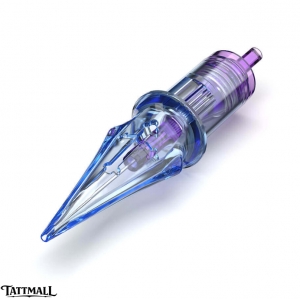
Needle selection plays a major role in reducing skin irritation. Fine liners, smaller round shaders, and appropriately matched cartridge configurations can improve precision while minimizing repeated passes over the same area. High-quality disposable cartridges with consistent manufacturing tolerances contribute to smoother needle movement and more predictable pigment delivery. Modern rotary tattoo pen systems are designed to work efficiently with a wide range of cartridge needles, allowing artists to adapt their equipment to different skin types and tattoo styles. Selecting the correct needle grouping is often just as important as choosing the proper machine settings.
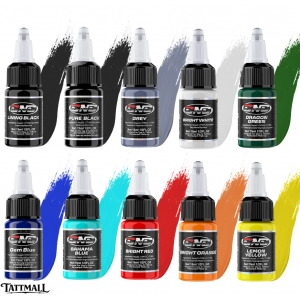
Tattoo inks and skin preparation products should be selected with extra care for clients with sensitive skin. Professional tattoo inks manufactured under strict quality standards are generally formulated for consistent performance and purity. Nevertheless, some individuals may react differently to certain pigments or ingredients. Artists should use reputable ink brands, avoid expired products, and follow all applicable safety guidelines. Skin preparation should include gentle cleansing, appropriate shaving techniques when necessary, and the use of skin-friendly antiseptic products. Harsh chemicals or excessive skin abrasion should be avoided, especially when working with clients who report previous skin sensitivities.
Session management can greatly improve comfort and healing outcomes. Longer tattoo sessions increase the amount of mechanical stress placed on the skin. For large projects involving sensitive clients, dividing the artwork into multiple shorter appointments often produces better results than attempting to complete the entire tattoo in one sitting. During the procedure, artists should wipe the skin gently, maintain consistent stretching techniques, and avoid excessive repeated passes. Using a high-quality rotary tattoo pen machine with low vibration helps reduce operator fatigue while allowing smoother needle movement throughout extended sessions.
Aftercare recommendations become even more important for sensitive skin. Once the tattoo is complete, clients should follow professional aftercare instructions carefully to support normal healing. The tattoo should be kept clean, moisturized with suitable aftercare products, and protected from excessive sun exposure, swimming, and unnecessary friction during the healing period. Clients should avoid scratching or picking at the tattoo as it heals. If unusual swelling, prolonged redness, severe pain, or signs of infection occur, they should consult a qualified healthcare professional promptly. Good aftercare often has as much influence on the final appearance of the tattoo as the procedure itself.
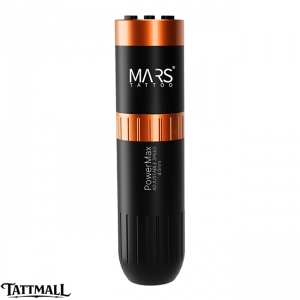
Modern technology continues to improve tattoo performance for sensitive skin applications. Advanced brushless motors, digital voltage regulation, adjustable stroke systems, ergonomic grips, and precision-engineered cartridges all contribute to smoother operation and greater consistency. Many professional artists now prefer cordless rotary tattoo pens because they offer excellent balance, reduced cable resistance, and precise control. These technological improvements help artists deliver more predictable results while adapting machine behavior to different skin characteristics and tattoo techniques.
In conclusion, tattooing sensitive skin successfully depends on much more than simply lowering the machine speed. Careful consultation, appropriate needle selection, moderate voltage, controlled stroke length, proper pigment choice, gentle technique, and thoughtful aftercare all work together to achieve excellent results. A dependable tattoo pen machine with stable performance gives artists the flexibility to fine-tune their settings for each client while maintaining precision and consistency. For tattoo professionals in the United States, understanding how equipment and technique interact with sensitive skin is essential for producing beautiful tattoos while prioritizing client comfort and safety.
FAQ
1. Can people with sensitive skin safely get tattoos?
Yes. Many people with sensitive skin can receive tattoos successfully when the procedure is performed by an experienced artist using appropriate techniques, high-quality materials, and proper aftercare.
2. Should tattoo machine voltage be lower for sensitive skin?
Many artists choose moderate, well-controlled voltage settings rather than excessively high power to reduce unnecessary skin irritation while maintaining consistent pigment implantation.
3. Which tattoo needles are suitable for sensitive skin?
The best choice depends on the tattoo style, but high-quality disposable cartridges with appropriate needle groupings help improve precision and minimize repeated trauma to the skin.
4. Does a tattoo pen machine work well for sensitive skin?
Yes. Modern rotary tattoo pen machines often provide smooth, stable operation, precise control, and low vibration, making them a popular choice for working on delicate skin.
5. How can clients help tattoos heal better on sensitive skin?
Follow professional aftercare instructions, keep the tattoo clean and moisturized, avoid excessive sun exposure and friction, and seek medical advice if unusual symptoms develop.
-300.jpg "MARS Intelli Wireless Tattoo Machine 4mm Stroke (Dual Batteries)")


