There are no products to list in this category.
Tattoo and PMU Technology Convergence
Posted By on Wednesday 08th July 2026
Tattoo & PMU Technology Convergence
The boundaries between permanent makeup (PMU) devices and tattoo machines are becoming increasingly blurred as technology advances across Europe and North America. Traditionally, tattooing and permanent makeup served different purposes and relied on specialized equipment. Tattoo artists focused on decorative body art, while PMU professionals specialized in cosmetic procedures such as eyebrows, eyeliner, scalp micropigmentation, and lip pigmentation. Today, however, improvements in motor technology, digital controls, wireless power systems, and intelligent software are driving both industries toward a shared technological ecosystem. Manufacturers promoting ptattoo machines for sale and premium equipment are increasingly designing versatile platforms capable of supporting both artistic tattooing and cosmetic pigmentation.
Modern motor technology has become the foundation of this convergence. Earlier PMU devices typically featured lighter motors, shorter strokes, and lower operating speeds, while tattoo machines emphasized higher power output and deeper pigment implantation. Advances in brushless motors and precision engineering have significantly narrowed these differences. Many modern rotary tattoo pens now deliver smooth torque curves, adjustable stroke lengths, and highly stable needle movement, making them suitable for both decorative tattoos and certain cosmetic procedures. As a result, professionals searching for tattoo machines for sale are increasingly evaluating multi-purpose machines rather than purchasing separate devices for different applications.
Adjustable stroke systems allow one machine to perform multiple roles. Stroke length directly influences needle penetration depth and pigment delivery. Cosmetic tattoo procedures often require shorter strokes to minimize skin trauma, whereas traditional body tattoos may benefit from longer strokes for lining and color packing. Many premium wireless tattoo pens now feature interchangeable cams or adjustable stroke mechanisms, allowing artists to switch between PMU work and decorative tattooing without changing the entire machine. This flexibility has become a major selling point for manufacturers of professional rotary tattoo systems and commercial tattoo equipment.
Digital control systems are making equipment more intelligent and adaptable. High-end tattoo and PMU machines increasingly include OLED displays, programmable voltage presets, memory profiles, wireless firmware updates, Bluetooth connectivity, and app-based configuration tools. These features allow artists to create dedicated settings for eyebrow pigmentation, lip blush, scalp micropigmentation, fine-line tattoos, or traditional shading. Intelligent software ensures consistent performance while reducing setup time between procedures. Buyers comparing tattoo machines for sale often place equal importance on software capabilities and mechanical specifications when selecting premium equipment.
Cartridge technology is another area where both industries continue to converge. Modern disposable cartridge systems have greatly improved safety, hygiene, and workflow efficiency. Many cartridge platforms now support a wide variety of needle configurations suitable for both tattooing and permanent makeup. Fine single needles, nano cartridges, round liners, curved magnums, and specialized cosmetic cartridges can often be used with the same machine body. Standardized cartridge compatibility allows artists to expand their service offerings without investing in completely separate hardware systems. This versatility is becoming increasingly attractive in the global market for tattoo equipment.
Wireless power systems are transforming professional workflows. Battery-powered tattoo machines have become standard in many studios because they eliminate power cords, improve mobility, and reduce workstation clutter. PMU professionals have adopted similar cordless designs due to their lightweight construction and ergonomic advantages during long cosmetic procedures. Continued improvements in lithium battery technology, intelligent power management, and USB-C fast charging are making cordless systems practical for both industries. Manufacturers offering premium tattoo pen machines, cosmetic pigmentation devices, and advanced tattoo machines for sale continue to prioritize wireless innovation as a core product feature.
Safety and precision remain central to successful technology integration. Although tattooing and permanent makeup increasingly share similar hardware platforms, each application requires specific operating parameters, pigment formulations, hygiene protocols, and practitioner training. Cosmetic pigmentation generally involves more delicate facial skin and demands extremely precise depth control. Decorative tattoos, by contrast, often require broader artistic techniques and different pigment implantation strategies. Smart tattoo machines with customizable operating profiles help professionals maintain appropriate settings for each procedure while minimizing user error and improving consistency.
Artificial intelligence and connected software will accelerate future convergence. Emerging technologies such as skin analysis, pressure sensing, cloud-based profile synchronization, multilingual interfaces, and voice-assisted controls are expected to benefit both tattoo artists and PMU technicians. Future intelligent machines may automatically recognize installed cartridges, recommend operating parameters, monitor motor performance, and record procedure data for quality assurance. Companies developing tattoo machines for sale, intelligent cosmetic devices, and connected rotary systems are investing heavily in digital ecosystems that extend well beyond traditional mechanical engineering.
Market demand is encouraging manufacturers to build truly universal platforms. Studio owners increasingly prefer equipment that supports multiple services while reducing maintenance costs and simplifying inventory management. Multi-purpose machines enable artists to expand into cosmetic tattooing, scalp micropigmentation, medical pigmentation, or fine-line decorative work using the same hardware platform with different settings and cartridges. This versatility increases equipment value while providing greater flexibility for growing businesses. As the professional tattoo industry continues to evolve, manufacturers offering advanced rotary systems, wireless tattoo pens, and premium tattoo machines for sale are likely to focus on modular designs capable of serving a wide range of professional applications.
In conclusion, the convergence of permanent makeup and tattoo machine technology represents one of the most significant developments in the modern body art industry. Advances in motor engineering, adjustable stroke systems, digital controls, wireless power, standardized cartridges, and intelligent software are allowing artists to perform diverse procedures using increasingly versatile equipment. While specialized expertise will always remain essential for both tattooing and cosmetic pigmentation, shared technology platforms are improving efficiency, reducing equipment costs, and expanding creative possibilities. For professionals evaluating tattoo machines for sale, the ability to support both decorative tattooing and permanent makeup may become one of the most valuable features of next-generation tattoo equipment.
FAQ
1. Can one machine be used for both tattooing and permanent makeup?
Yes. Many modern rotary machines support both applications when equipped with the correct cartridges, stroke settings, pigments, and operating parameters.
2. What is the biggest advantage of integrated tattoo and PMU technology?
It allows professionals to perform multiple procedures with one intelligent platform, improving efficiency and reducing equipment investment.
3. Are the cartridges the same for tattooing and PMU?
Some cartridge systems are compatible with both fields, but needle configurations and intended applications differ depending on the procedure.
4. Why are wireless machines popular in both industries?
Cordless designs improve mobility, reduce cable interference, enhance ergonomics, and simplify workstation organization.
5. What future technologies will influence both tattooing and PMU?
Artificial intelligence, skin sensing, cloud connectivity, voice control, multilingual software, and adaptive motor management are expected to shape the next generation of professional equipment.
Related Products
-
-300.jpg "MARS Hestia MARS Hestia Wireless Tattoo Machine PMU Battery Tattoo Pen 3.5mm Stroke (Dual Batteries)")
MARS Hestia MARS Hestia Wireless Tattoo Machine PMU Battery Tattoo Pen 3.5mm Stroke (Dual Batteries)
-
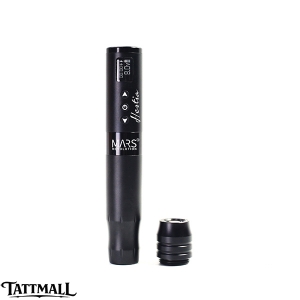
MARS Hestia MARS Hestia Wireless Tattoo Machine PMU Battery Tattoo Pen 3.5mm Stroke
-
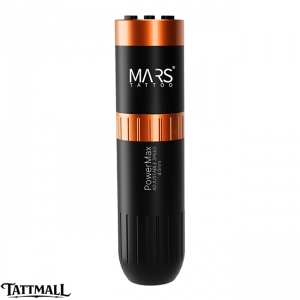
MARS Power Max Wireless Tattoo Machine 4mm Stroke
-
-300.jpg "MARS Stroke Mini Wireless Tattoo Machine 2.5/2.9/3.3/3.7mm Stroke (Dual Batteries)")
MARS Stroke Mini Wireless Tattoo Machine 2.5/2.9/3.3/3.7mm Stroke (Dual Batteries)


