There are no products to list in this category.
What Are Tattoo Needles Used For
Posted By Tattmall on Wednesday 02nd September 2026
What Are Tattoo Needles Used For?
Tattoo needles are the working tools that allow a tattoo machine to place pigment into the skin with controlled depth, spacing, and movement. Although artists often discuss machines, power settings, stroke length, and technique, the needle configuration is equally important because it directly influences line quality, shading, colour saturation, and the overall appearance of a tattoo. Modern tattooing uses a wide variety of needle groupings, diameters, tapers, and cartridge systems. Each configuration is designed to support a particular visual effect or working style. For professional artists in Europe, understanding how tattoo needles function is essential not only for achieving consistent artistic results but also for selecting appropriate products that fit studio workflows, machine compatibility, and applicable hygiene practices.
The primary purpose of a tattoo needle is to carry and deposit tattoo pigment through repeated, controlled contact with the skin. A tattoo machine moves the needle or needle assembly rapidly, allowing pigment to be introduced into the appropriate skin layer when the procedure is performed correctly. The result depends on many factors, including the artist's technique, machine settings, needle configuration, skin characteristics, pigment properties, and the way the artist controls depth and movement. Tattooing needles are therefore not interchangeable in a purely visual sense. A configuration intended for fine lining may behave very differently from one designed for broad shading or colour packing. Choosing the correct needle grouping helps the artist match the tool to the intended artistic task.
Lining is one of the most common uses of tattoo needle configurations. Needle groupings such as round liners are commonly associated with creating outlines, fine details, lettering, and other precise visual elements. The number and arrangement of individual needles can influence the width and character of the line. Smaller groupings may support finer detail, while larger groupings can create bolder lines. However, the final line quality is not determined by needle size alone. Machine performance, operating settings, hand speed, skin condition, and artist experience all influence the result. For detailed tattoo work, precision and consistency are usually more important than simply selecting the smallest available needle configuration. Different needle diameters and tapers may also affect how the needle interacts with pigment and how the artist experiences the procedure.
Shading is another major application, requiring needle configurations that can distribute pigment across larger or softer areas. Magnum-style groupings are commonly used for shading and colour work because their arrangement can cover a wider surface area than a small round grouping. Curved or soft-edge magnum configurations may provide a different contact pattern compared with flatter groupings. These characteristics can influence how an artist builds gradients, transitions, and areas of colour. The goal is not simply to cover the skin as quickly as possible. Effective shading depends on controlled movement, appropriate technique, pigment selection, and suitable equipment settings. A well-matched shading needle can help create smoother transitions and more consistent visual coverage.
Colour packing is also an important use for tattoo needle groupings. Depending on the desired design, artists may select different configurations to place colour into defined areas while maintaining control over edges and saturation. Larger groupings can cover wider areas, while smaller configurations may provide more precision around detailed sections. The choice depends on the artwork, the location on the body, the artist's preferred technique, and the desired visual finish. Professional tattoo equipment is designed as a system, meaning that the needle, machine, grip, cartridge, pigment, and operating method all work together. Consistent colour work depends on selecting compatible tools rather than relying on one needle type for every task.
Modern cartridge systems have changed how many professional tattoo artists use and manage tattoo needle configurations. Instead of handling traditional needle bars in the same way as older systems, cartridge designs allow compatible needle assemblies to be installed into cartridge-based grips and machines. This can simplify equipment changes during a session and allow artists to move between different configurations more efficiently. However, compatibility should never be assumed simply because two products appear similar. Cartridge dimensions, locking systems, membranes, and manufacturing tolerances can differ. Artists should follow manufacturer guidance and confirm that cartridges are designed to work with their equipment. The convenience of cartridge tattoo systems depends on reliable compatibility and appropriate hygiene procedures.
Needle diameter and taper can influence the way tattoo equipment performs during different types of work. Diameter generally refers to the thickness of the individual needle, while taper describes the shape and length of the sharpened point. These physical characteristics may influence precision, pigment flow, and the artist's preferred working feel. However, there is no universal rule stating that one diameter or taper is best for every tattoo. A configuration suitable for detailed line work may not be the preferred choice for broad colour application, while an experienced artist may use the same category of needle differently depending on machine settings and technique. Technical specifications should be understood as tools for selecting equipment, not as automatic guarantees of artistic results.
Material quality and manufacturing consistency are important because tattoo needles must perform predictably during professional use. Uneven spacing, poor alignment, damaged points, or inconsistent construction can affect how the needle behaves. Professional artists and studios may therefore consider manufacturing quality, product traceability, packaging integrity, and supplier reliability when selecting tattoo consumables. In Europe, hygiene expectations and product requirements can also affect purchasing decisions. Packaging should protect sterile or single-use products until they are ready for use, and artists should follow applicable local rules, professional guidance, and manufacturer instructions. A reliable needle system begins with consistent manufacturing and responsible handling.
Tattoo needle selection should also consider the artist's working style and the specific design being created. Fine-line tattoos, bold traditional designs, black-and-grey work, colour pieces, realism, geometric patterns, and lettering can place different demands on the equipment. A professional artist may therefore keep multiple needle groupings available rather than attempting to complete every task with one configuration. The shape and size of the tattoo, the level of detail, the intended line weight, and the required shading area can all influence the final choice. The most practical approach is to match the needle configuration to the artistic objective and the equipment being used.
In the middle of a professional workflow, tattoo needle management is as important as needle selection. Studios may organise different needle cartridges or needle assemblies by grouping, diameter, taper, and intended application so that artists can identify the correct configuration efficiently. Clear labelling can reduce confusion and help maintain an organised workstation. Single-use components should be handled according to appropriate hygiene procedures and disposed of through suitable methods after use. Reusing disposable needle products can create unnecessary hygiene and performance risks. Professional tattoo practice depends on treating needle selection, handling, and disposal as connected parts of one controlled workflow. This is particularly important when using
tattoo needles
across multiple machine setups or when switching between lining, shading, and colour applications during the same working day.
Machine compatibility also affects how effectively a needle configuration performs. A needle cartridge or traditional needle assembly is only one part of a larger mechanical system. The tattoo machine must provide suitable movement and stability, while the grip or cartridge system must hold the component securely. Rotary machines, pen-style tattoo devices, and other equipment designs may provide different handling characteristics. For this reason, artists should not select needles only according to the advertised configuration. Testing appropriate, compatible products and understanding how they behave with a specific machine can produce more predictable results. A tattoo needle works best when the complete equipment system is properly matched and maintained.
Safety and hygiene remain essential considerations when discussing the use of tattoo needles. Tattoo needles come into direct contact with skin and biological material, so professional handling procedures are necessary. Studios should use suitable single-use or properly processed equipment as required by applicable rules and professional standards. Packaging should be checked before use, and products with damaged or compromised packaging should not be treated as ready for use. Work surfaces, grips, machines, and surrounding equipment should also be managed according to appropriate hygiene protocols. Good artistic equipment cannot replace responsible infection-control practices. Artists working in different European countries should remain aware that local public-health and professional requirements may vary.
Environmental considerations are also beginning to influence the tattoo consumables market. Professional hygiene requirements mean that many tattoo needle products are designed for single use, which creates unavoidable waste. Manufacturers are therefore exploring ways to reduce unnecessary packaging, improve material efficiency, and develop more sustainable production and disposal systems without compromising safety or performance. However, environmental claims should be evaluated carefully. A product described as environmentally friendly should still meet the required standards for quality, hygiene, and intended use. Sustainability in tattoo supplies should focus on realistic improvements rather than sacrificing safety for marketing claims.
For European tattoo professionals, purchasing decisions increasingly involve more than price and basic specifications. Artists and studio owners may compare needle consistency, cartridge compatibility, packaging quality, supplier reliability, documentation, availability, and long-term purchasing stability. A low-cost product may initially appear attractive, but inconsistent manufacturing or unreliable supply can create problems in a professional environment. Conversely, a higher-priced product should still provide clear value through dependable construction, appropriate documentation, and consistent availability. Professional tattoo supplies should be evaluated according to reliability, compatibility, and suitability for the artist's actual workflow.
The future of tattoo needle development will likely focus on greater manufacturing precision, improved cartridge engineering, better compatibility, and more efficient material use. As tattoo machines continue to develop, needle systems may also become more specialised to support different artistic techniques and equipment designs. Improvements in production technology could help manufacturers achieve more consistent alignment and tighter quality control. At the same time, studios will continue to demand products that are easy to identify, compatible with professional equipment, and supported by reliable supply chains. Innovation in tattoo needles is likely to focus on making professional work more consistent, efficient, and manageable.
In conclusion, tattoo needles are used for much more than simply creating marks on the skin. Different needle configurations support lining, detailed work, shading, colour application, and other artistic techniques, while their design characteristics can influence precision, coverage, and working feel. The final result depends on the complete interaction between the needle, tattoo machine, pigment, artist technique, and professional workflow. For artists and studios across Europe, selecting high-quality, compatible equipment and following appropriate hygiene procedures remain essential. As the industry continues to develop,
tattoo needles
will remain a fundamental part of professional tattoo equipment, combining precision engineering with the practical requirements of modern artistic work.
FAQ
1. What are tattoo needles mainly used for?
Tattoo needles are used to create lines, details, shading, gradients, and colour areas. Different needle groupings are selected depending on the type of tattoo work and the visual effect the artist wants to achieve.
2. Are all tattoo needles the same?
No. Tattoo needle configurations can differ in grouping, diameter, taper, arrangement, and intended application. Round liners, shaders, magnums, and other configurations can produce different working characteristics.
3. What is the difference between a liner and a shading needle?
Liner configurations are generally used for outlines and detailed work, while shading configurations are designed to help cover broader areas or create tonal transitions. The final result also depends on technique and machine settings.
4. Can every tattoo needle cartridge fit every tattoo machine?
Not necessarily. Many machines use common cartridge-style systems, but dimensions, grips, locking mechanisms, and product tolerances may vary. Artists should check compatibility information before using a cartridge with a specific machine.
5. How should tattoo needles be handled after use?
Used single-use tattoo needles and cartridges should be treated as contaminated sharps and handled and disposed of according to applicable local requirements and professional hygiene procedures. Reusing disposable needle products can create unnecessary safety and hygiene risks.
Related Products
-
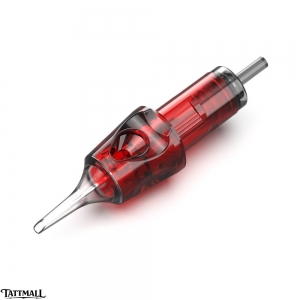
CNC Police 304 Stainless Steel Round Liner RL Tattoo Cartridge Needles 20PCS
-
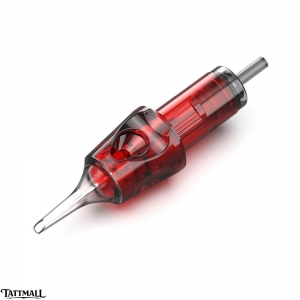
CNC Police 304 Stainless Steel Round Shader RS Tattoo Cartridge Needles 20PCS
-
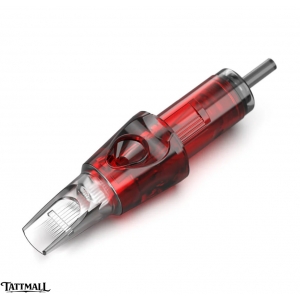
CNC Police 304 Stainless Steel Round Magnum RM Tattoo Cartridge Needles 20PCS
-
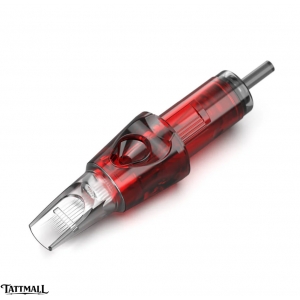
CNC Police 304 Stainless Steel Weaved Magnum M1 Tattoo Cartridge Needles 20PCS


