There are no products to list in this category.
Why Small V Needles Work Well for Tattoo Machines
Posted By Tattmall on Monday 01st June 2026
Why Small V Needles Work Well for Tattoo Machines
Understanding why a small V-shaped needle configuration works well for tattoo machines is important for artists seeking precision, cleaner lines, and smoother healing results. In the European and North American tattoo markets, fine-line tattoos, micro-details, minimalist designs, and delicate shading have grown significantly in popularity. Small V needle groupings—sometimes informally referred to by artists as “small V needles” due to their angled arrangement—are commonly selected for detailed work where accuracy matters more than aggressive pigment packing. For artists choosing the right tattoo needle, understanding how smaller V configurations behave inside a tattoo machine helps improve technique, efficiency, and client comfort.
Small V needle groupings are designed to create more controlled ink delivery and improved detail precision. Unlike large magnum or wide shader groupings, a small V arrangement places fewer needles in a slightly angled pattern, allowing ink to enter the skin more gradually and predictably. This configuration improves visibility for the artist because less needle surface blocks the working area. As a result, artists can create sharper details, softer transitions, and cleaner edges in small or highly technical tattoo sections. In studios across Europe and the United States, fine-line specialists often prefer a carefully selected tattoo needle setup for lettering, minimalist work, ornamental tattoos, and realistic details.
Small V needles are especially suitable for delicate linework and controlled shading. One challenge in tattooing detailed artwork is balancing precision with skin trauma. A wide needle grouping may deposit too much pigment too quickly, increasing irritation and making subtle gradients difficult to control. Small V configurations distribute pressure more evenly while keeping needle contact focused in a narrow area. This makes them useful for hair strokes, texture building, micro-realism, facial detail, soft geometric transitions, and fine decorative work. Many artists working on modern fine-line aesthetics find that smaller needle configurations help preserve clarity without oversaturating delicate skin sections.
Another advantage of small V needle configurations is reduced trauma and improved healing quality. Since fewer needles enter the skin at once and the ink flow is more controlled, excessive tissue damage can often be minimized when proper technique is used. This becomes particularly important in sensitive areas such as fingers, ribs, neck, ankles, and behind the ear where skin tends to react more easily. European and American clients increasingly value tattoos that heal smoothly with minimal irritation, especially for minimalist designs. Choosing an appropriate
tattoo needle
configuration therefore becomes not only an artistic decision but also part of delivering a better client experience.
Machine compatibility also explains why small V needles perform well in modern tattoo machines. Many contemporary rotary and pen-style tattoo machines are engineered for smooth, stable movement with fine cartridge systems. Smaller needle groupings respond especially well to consistent motor output because they require less mechanical force than larger magnums or heavy shaders. Artists often pair these needles with medium-to-short stroke machines and carefully adjusted voltage settings to maximize precision. Because less resistance is generated, smaller configurations frequently feel smoother during operation and offer better hand control during long detail sessions.
The growing popularity of minimalist and fine-detail tattoo trends has increased demand for small V needle configurations. Across Western tattoo markets, customers increasingly request tiny symbols, single-line illustrations, fine script, micro-portraits, and elegant ornamental patterns. These designs demand careful ink placement rather than brute saturation. Small V groupings help artists maintain accuracy while preserving visual delicacy, making them valuable tools in modern tattoo aesthetics. For professionals working in premium studios, mastering the right tattoo needle selection often separates average technical execution from truly refined work.
However, small V needle groupings are not suitable for every tattoo scenario. While excellent for detail and light shading, they are less efficient for heavy color packing, large black fills, or broad gradient transitions where magnum needles perform better. Using a very small grouping on large surfaces can slow workflow significantly and create inconsistent saturation if the artist overworks the skin. Skilled tattooers therefore treat needle selection as a technical decision based on style, anatomy, and design goals rather than assuming one configuration fits every project.
Choosing the correct voltage, hand speed, and depth is critical when working with small V needles. Because smaller groupings place pigment more delicately, improper machine settings can easily lead to weak saturation or excessive skin irritation. Lower-to-medium voltage with controlled hand speed often produces the cleanest results. Needle depth must also remain precise to avoid blowouts while ensuring pigment stability. Artists using modern pen-style machines typically experiment carefully to balance precision, healing quality, and visual sharpness.
In conclusion, small V needle configurations are particularly well suited for precision-focused tattooing because they combine control, smooth ink delivery, reduced trauma, and excellent detail capability. They perform especially well in minimalist designs, fine-line work, lettering, realism details, and sensitive placement areas where accuracy matters most. Although they are not ideal for every technique, understanding how to pair machine settings with the right tattoo needle allows artists to produce cleaner, more professional results tailored to today’s evolving tattoo trends.
FAQ
1. What is a small V tattoo needle?
A small V needle is generally a fine needle grouping arranged in a narrow angled pattern designed for detailed tattooing, precise lines, and soft transitions.
2. Are small V needles good for beginners?
They can be, but beginners may find them less forgiving because precision, depth control, and hand stability are especially important.
3. Do small V needles hurt less?
They may feel slightly gentler in some situations because they contact a smaller skin area, though pain depends on placement and technique.
4. Can small V needles be used for shading?
Yes, they are useful for soft, delicate shading and texture work, but not ideal for large-area color packing.
5. Which tattoo styles benefit most from small V needles?
Fine-line tattoos, minimalist designs, script, ornamental patterns, micro-realism, and detailed portrait textures benefit most from this configuration.
Related Products
-
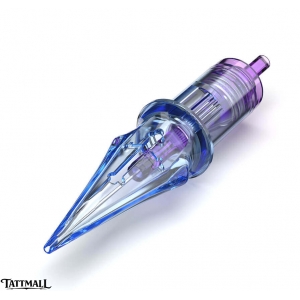
The King's Swords 304 Stainless Steel Round Liner RL Tattoo Cartridge Needles 20PCS
-
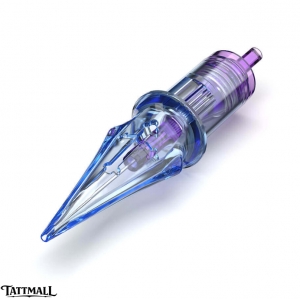
The King's Swords 304 Stainless Steel Round Shader RS Tattoo Cartridge Needles 20PCS
-
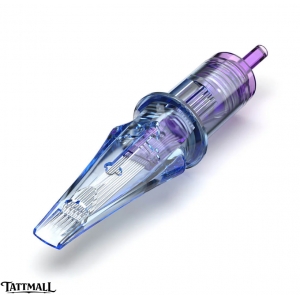
The King's Swords 304 Stainless Steel Round Magnum RM Tattoo Cartridge Needles 20PCS
-
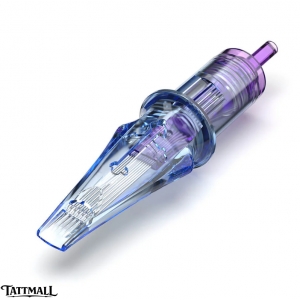
The King's Swords 304 Stainless Steel Weaved Magnum M1 Tattoo Cartridge Needles 20PCS


