There are no products to list in this category.
Adjusting Tattoo Machine Needle Frequency
Posted By Tattmall on Saturday 14th March 2026
Understanding how to adjust tattoo machine needle frequency is essential for producing precise and professional results. Needle frequency refers to how fast the tattoo needle moves up and down during operation, usually measured in cycles per second. In modern European tattoo studios, where rotary and wireless tattoo pens are widely used, artists rely on accurate frequency control to achieve clean lines, smooth shading, and consistent pigment saturation. Proper adjustment allows the artist to match the machine’s performance to the technique required for a particular tattoo design, ensuring that the ink is inserted evenly without damaging the skin.
Needle frequency is primarily controlled by adjusting the voltage or speed settings of the tattoo machine. Most professional machines allow artists to change voltage through a digital display or power supply. Increasing the voltage raises the motor speed, which increases needle frequency and makes the machine hit faster. Decreasing the voltage slows the machine down, reducing needle movement speed. This adjustment directly influences how the needle penetrates the skin and how the ink flows into the dermis layer. Understanding the relationship between voltage and needle speed helps artists adapt their machine settings to different techniques and skin types.
The correct frequency settings depend on the type of work being performed. For example, lining usually requires a higher needle frequency because fast needle movement creates sharper and more consistent lines. Many tattoo artists in Europe prefer working between approximately 7 and 9 volts when performing line work. In contrast, shading and color packing often require slightly lower speeds, usually between 6 and 8 volts. Lower frequency allows the needle to deposit ink gradually and blend pigments smoothly. When creating a detailed tattoo design, choosing the appropriate speed prevents overworking the skin and improves the clarity of fine details.
Machine stroke length and needle configuration also influence needle frequency and overall performance. Stroke length refers to the distance the needle travels during each cycle. Machines with longer strokes deliver stronger hits and may require lower voltage to maintain balanced frequency. Shorter stroke machines often need higher voltage to achieve effective penetration. Additionally, the type of needle cartridge—such as liners, shaders, or magnum needles—can affect how frequency settings should be adjusted. Professional tattoo artists typically experiment with different combinations of voltage, stroke, and needle type until they find the optimal balance for their working style.
Hand speed and technique must be synchronized with the machine’s needle frequency. Even with perfectly adjusted machine settings, inconsistent hand movement can lead to uneven lines or patchy shading. When the machine runs at a higher frequency, the artist should move their hand slightly faster across the skin to maintain smooth ink distribution. When the frequency is lower, slower hand movements allow the pigment to settle properly into the skin. Developing this rhythm between machine speed and hand motion is an important skill for tattoo artists, especially when working on complex patterns or large-scale
tattoo design
compositions.
Maintaining stable machine performance is another key factor when adjusting needle frequency. Low battery levels, worn needles, or poorly maintained equipment can cause fluctuations in needle speed, leading to inconsistent tattoo results. Many professional studios across Europe follow strict equipment maintenance routines, including regular cleaning, cartridge replacement, and machine testing before each session. Ensuring the power supply delivers stable voltage helps maintain consistent needle frequency throughout the tattoo process.
In conclusion, learning how to adjust tattoo machine needle frequency is a fundamental skill for professional tattoo artists. By carefully balancing voltage, stroke length, needle configuration, and hand technique, artists can achieve better control over their machines and improve the quality of their work. Proper frequency adjustment not only enhances the appearance of a tattoo design but also reduces skin trauma and ensures safer, more comfortable tattoo sessions for clients. As tattoo technology continues to evolve, mastering these machine adjustments remains a crucial part of professional tattoo practice in modern studios.
Related Products
-
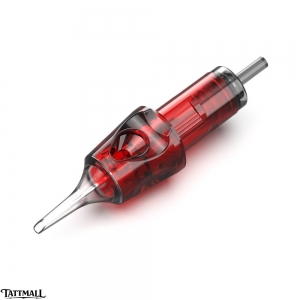
CNC Police 304 Stainless Steel Round Liner RL Tattoo Cartridge Needles 20PCS
-
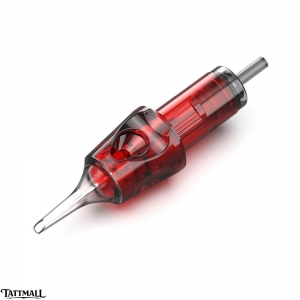
CNC Police 304 Stainless Steel Round Shader RS Tattoo Cartridge Needles 20PCS
-
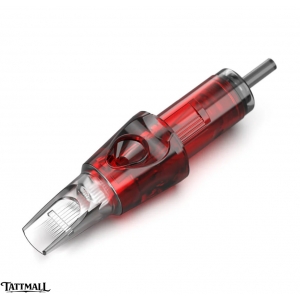
CNC Police 304 Stainless Steel Round Magnum RM Tattoo Cartridge Needles 20PCS
-
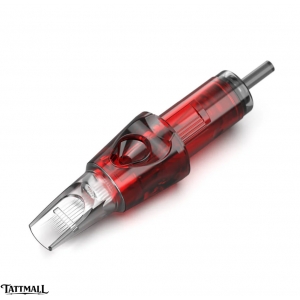
CNC Police 304 Stainless Steel Weaved Magnum M1 Tattoo Cartridge Needles 20PCS


