There are no products to list in this category.
The Origins and Global Rise of Tattoo Culture
Posted By on Monday 09th February 2026
1. What Is Tattooing?
Tattoos are permanent designs applied to the skin by inserting pigment into the dermis layer. Throughout history and across continents, tattooing has served as more than just body decoration — it has been a form of identity, spirituality, bravery, and artistic expression.
2. Early Roots: Ancient Origins
Tattooing is one of the oldest forms of human body art.
Prehistoric Evidence
Archaeological findings suggest tattoos existed at least 5,000 years ago. The iceman “Ötzi,” discovered in the Alps, had a series of carbon-darkened marks on his body — the earliest known evidence of tattoos in Europe.
Egypt and the Middle East
Ancient Egyptians used tattoos for spiritual and medicinal purposes. Female mummies from around 2000 BCE show patterns indicating fertility or healing roles.
Indigenous Cultures Worldwide
Indigenous societies in Polynesia, the Americas, Africa, and Asia developed their own tattoo traditions:
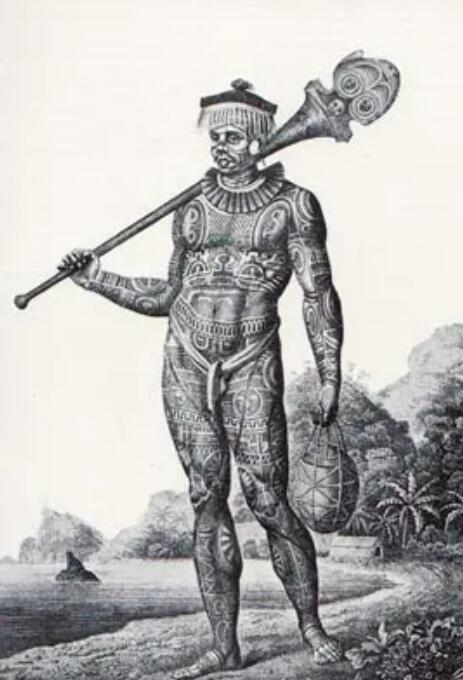
Polynesia — Tattoos (known as tatau in Samoa) symbolized social status and rites of passage.
Māori (New Zealand) — Ta Moko facial tattoos reflect genealogy and life history.
North America — Native tribes used tattoos as marks of bravery or achievements.
3. Tattoos in Ancient Asia
Asia boasts some of the most intricate and meaningful tattoo traditions.
Japan
Japanese tattoo culture (Irezumi) is world-renowned for its rich symbolism and elaborate imagery. Mythical creatures, floral motifs, and warrior scenes are common — blending art with personal meaning.
Southeast Asia
In Thailand and Cambodia, Sak Yant tattoos (often applied by monks) are believed to offer protection, luck, and spiritual power.
Tattoos entered Western awareness through explorers and sailors.
Maritime Influence
European sailors in the 18th–19th centuries popularized tattoos during global voyages. Anchors, swallows, and nautical stars symbolized journeys, luck, and loyalty.
20th Century Subculture
In the early 1900s, tattoos often associated with rebels, soldiers, bikers, and rock culture — moving away from taboo toward identity expression.
Modern Artistic Renaissance
From the 1990s onward, tattoos evolved into a vibrant art form accepted across social strata. Tattoo studios emerged as spaces for creativity, personal storytelling, and professional craftsmanship.
5. Contemporary Global Tattoo Culture
Today, tattoos are truly a global language — unique yet universal.
North America
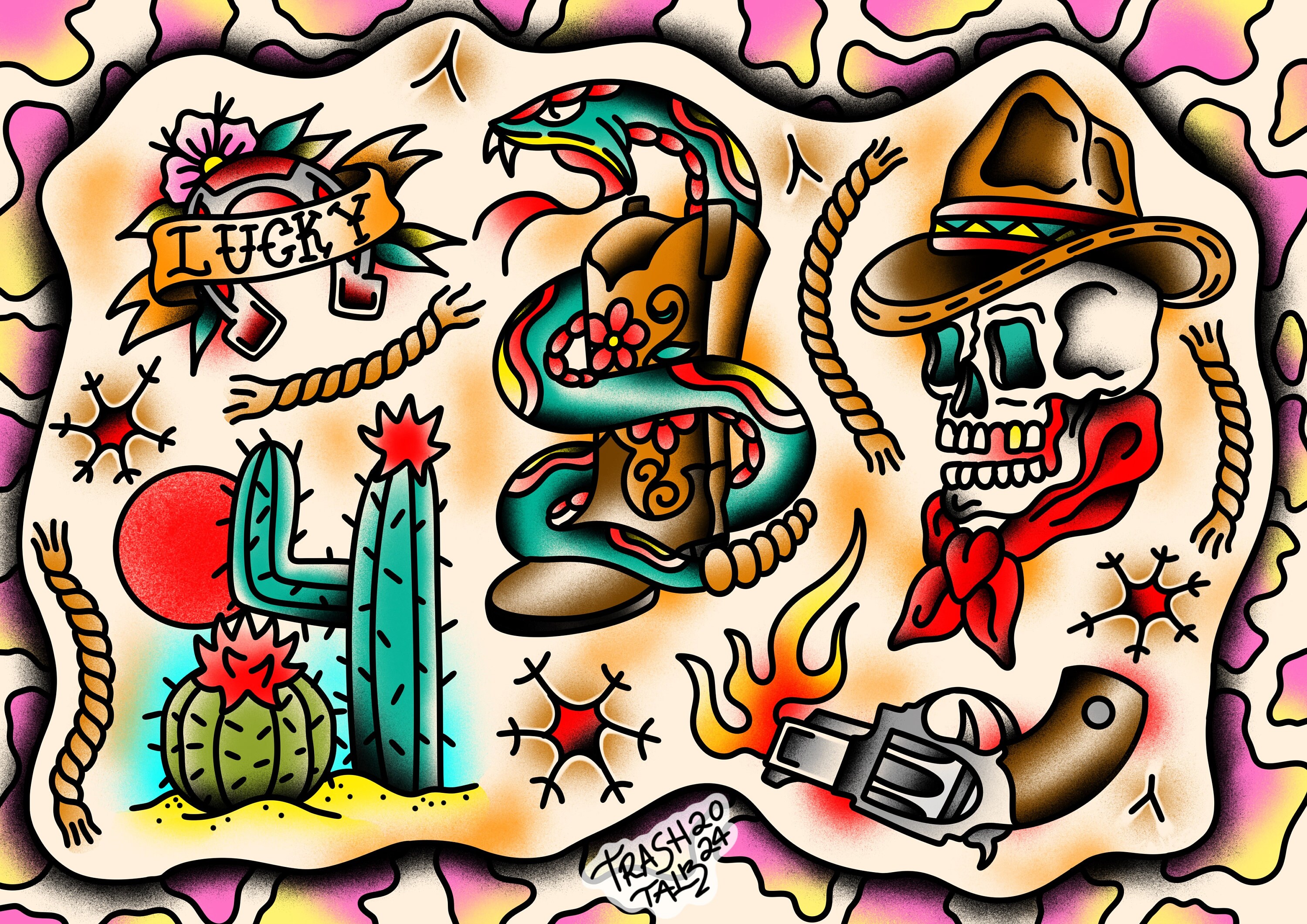
Tattoos thrive among diverse communities. From minimalist fine-line designs to bold color realism, artists push creative boundaries.
Europe
European cities like Berlin, London, and Barcelona are hubs of avant-garde tattoo artistry, blending traditional techniques with modern innovation.
Asia-Pacific
Japan, Korea, and Australia feature booming tattoo scenes, mixing global styles with local symbolism.
Latin America
Brazil and Mexico carry rich indigenous tattoo legacies alongside contemporary styles influenced by street art and pop culture.
Africa
Tattoo culture in African nations is experiencing a resurgence, reconnecting with tribal symbols while embracing modern art.
6. Why Tattoos Matter Today
Tattoos are more than ink on skin — they represent:
Identity & Storytelling — Personal narratives etched into the body.
Cultural Respect — Wearing ancestral symbols with pride.
Artistic Expression — Creativity beyond the canvas.
Community & Belonging — Shared inspiration among artists and aficionados.
Conclusion
From ancient rituals to contemporary art, tattoo culture bridges continents and civilizations. Once rooted in tradition, tattoos now thrive as a global phenomenon — celebrated by beginners and seasoned artists alike. Whether honoring heritage or expressing individuality, tattoos continue evolving with artistry, meaning, and creativity at their core.


