There are no products to list in this category.
Eco-Friendly Stencil Alternatives
Posted By Tattmall on Tuesday 23rd June 2026
Eco-Friendly Stencil Alternatives
Sustainability is becoming an increasingly important topic in the global tattoo industry, including the rapidly growing Middle Eastern market. While tattoo artists traditionally focus on creativity, hygiene, and technical performance, environmental responsibility is now influencing purchasing decisions and studio operations. One area receiving growing attention is stencil preparation. Conventional thermal transfer paper has long been the standard method for transferring tattoo designs onto the skin, but it generates disposable waste and often relies on chemical coatings. As more artists seek environmentally responsible practices, eco-friendly alternatives to traditional transfer paper are becoming an attractive option. Whether working with a tattoo pen machine, a wireless tattoo device, or a professional rotary system, sustainable stencil solutions can help reduce waste while maintaining tattoo accuracy.
Understanding the environmental impact of traditional transfer paper helps explain the demand for alternatives. Standard tattoo transfer paper typically consists of multiple layers, including backing sheets, carbon layers, and protective materials. After a stencil is applied, most of these components are discarded. Large tattoo studios may use significant quantities of transfer paper each month, contributing to ongoing material consumption and waste generation. In addition, some transfer products contain chemical compounds that require specialized manufacturing processes. Artists operating modern tattoo machine pen systems are increasingly evaluating whether digital and reusable alternatives can reduce their environmental footprint without compromising workflow efficiency.
Digital stencil technology is emerging as one of the most promising sustainable solutions. Instead of relying entirely on disposable transfer paper, artists can use tablets and digital design platforms to preview artwork directly with clients. Advanced software allows real-time adjustments, resizing, placement visualization, and design customization before any physical transfer occurs. By minimizing design revisions and unnecessary printouts, digital workflows reduce material waste substantially. Studios using a tattoo pen machine often integrate digital design systems because they complement the precision and flexibility offered by modern tattoo equipment. While a final transfer may still be necessary in some cases, overall consumption of disposable materials can be significantly reduced.
Reusable stencil projection systems represent another innovative alternative. Portable projectors and specialized tattoo projection devices can display designs directly onto the client's skin. This technology allows artists to evaluate placement, scale, and alignment without repeatedly printing new stencils. For large-scale projects such as sleeves, back pieces, or chest panels, projection systems can reduce waste while improving positioning accuracy. Artists using rotary tattoo pens and cordless tattoo machines increasingly explore projection technology as a way to combine sustainability with operational efficiency. Although these systems require an initial investment, they may reduce long-term material costs over time.
Biodegradable transfer products are becoming increasingly available. Some manufacturers now offer stencil materials produced from environmentally conscious components designed to reduce long-term environmental impact. While these products often function similarly to conventional transfer paper, they may use more sustainable raw materials and environmentally responsible production methods. Professional artists working with a tattoo pen machine can adopt these products with minimal workflow changes. For studios seeking a gradual transition toward greener practices, biodegradable stencil products often provide an accessible starting point without requiring major equipment upgrades.
Reusable skin-marking methods can supplement stencil workflows in specific situations. For certain styles of tattooing, artists may use medical-grade skin markers to create guidelines directly on the skin. This technique is particularly useful for geometric designs, freehand artwork, tribal patterns, and custom compositions. Although freehand methods may not completely replace stencil transfers for highly detailed designs, they can significantly reduce paper usage in appropriate applications. Experienced artists using professional tattoo machine pens often combine freehand drawing with digital visualization tools to achieve both artistic flexibility and environmental benefits.
Eco-friendly practices extend beyond stencil materials alone. Sustainability in tattoo studios involves a broader approach that includes responsible energy use, efficient inventory management, recyclable packaging, and reduced consumption of disposable products where hygiene standards permit. Modern cordless tattoo machine systems often contribute indirectly to sustainability by improving efficiency and reducing dependence on certain auxiliary equipment. While safety and sterilization must always remain the highest priorities, many studios are finding ways to balance environmental responsibility with professional standards. The adoption of sustainable stencil alternatives fits naturally within this larger movement.
The Middle Eastern tattoo market presents unique opportunities for environmentally conscious innovation. Many new studios are being established with modern equipment, digital workflows, and updated business models from the outset. This allows owners to integrate sustainable practices more easily than businesses operating with older infrastructure. As demand for premium tattoo services grows throughout the region, clients increasingly appreciate studios that demonstrate environmental awareness alongside artistic excellence. Artists working with advanced tattoo pen machine systems are often among the first adopters of technologies that support both efficiency and sustainability.
Cost considerations remain an important factor when evaluating stencil alternatives. Traditional transfer paper remains widely available and relatively inexpensive on a per-unit basis. However, long-term operational costs can accumulate in busy studios. Digital design systems, reusable projection technology, and sustainable stencil products may involve higher upfront expenses but can generate savings through reduced material consumption and improved workflow efficiency. Professional artists should evaluate both immediate and long-term costs when selecting eco-friendly solutions. In many cases, sustainability and profitability can work together rather than compete against each other.
In conclusion, environmentally friendly alternatives to traditional tattoo transfer paper are becoming increasingly practical and accessible. Digital stencil systems, projection technology, biodegradable transfer materials, and reusable marking techniques all offer potential pathways toward more sustainable tattooing. For artists using a tattoo pen machine, wireless tattoo pen, rotary tattoo pen, or other advanced equipment, these innovations provide opportunities to reduce waste while maintaining professional standards. As sustainability continues to influence consumer expectations and business practices throughout the Middle East, eco-conscious stencil solutions are likely to play an increasingly important role in the future of the tattoo industry.
FAQ
1. What is the most eco-friendly alternative to traditional tattoo transfer paper?
Digital stencil workflows combined with projection technology are among the most sustainable options because they significantly reduce disposable material use.
2. Can biodegradable transfer paper perform as well as traditional products?
Many modern biodegradable stencil products offer comparable transfer quality while using more environmentally responsible materials.
3. Do stencil projectors replace transfer paper completely?
Not always. Some artists use projectors for placement and design verification before applying a final stencil.
4. Is freehand tattoo design more environmentally friendly?
In certain situations, yes. Freehand methods can reduce paper consumption, especially for custom and geometric designs.
5. Are eco-friendly stencil solutions suitable for professional studios?
Yes. Many professional studios successfully integrate sustainable stencil methods while maintaining high standards of accuracy, hygiene, and efficiency.
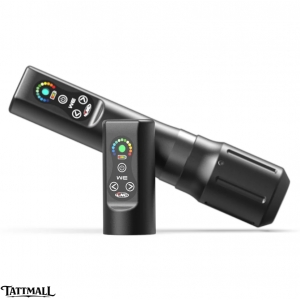
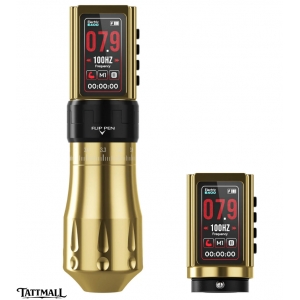
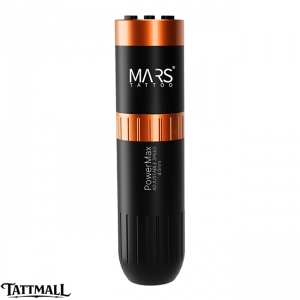
-300.jpg "MARS Stroke Mini Wireless Tattoo Machine 2.5/2.9/3.3/3.7mm Stroke (Dual Batteries)")


