There are no products to list in this category.
Tattoo Machine Industry Report
Posted By Tattmall on Tuesday 01st September 2026
Tattoo Machine Industry Report
Europe's tattoo machine industry is evolving from a traditional equipment market into a more technology-driven, regulated, and professionalized sector. Tattoo culture has become increasingly mainstream across many European countries, creating continued demand for reliable equipment among professional studios, independent artists, training providers, and equipment distributors. At the same time, European buyers are paying greater attention to product safety, material quality, hygiene compatibility, environmental responsibility, and long-term reliability. These changes are influencing how manufacturers design, market, and support modern tattoo equipment. The growth of wireless and compact devices has also changed purchasing priorities, with many artists now considering ergonomics, battery performance, digital controls, and maintenance alongside traditional motor characteristics. A modern tattoo pen machine therefore represents more than a compact alternative to conventional equipment; it reflects a broader shift toward portability, integrated electronics, and user-focused design.
The European market remains diverse because tattoo regulations, consumer preferences, and professional practices vary significantly between countries. Germany, France, the United Kingdom, Spain, Italy, the Netherlands, and the Nordic countries all have active tattoo communities, but local requirements and studio practices are not identical. Artists and distributors must therefore pay attention to country-specific expectations rather than assuming that one product strategy will automatically work across the entire region. In some markets, professional buyers may focus strongly on engineering quality and durability, while others may place greater emphasis on portability, design, price, or digital functionality. This diversity creates opportunities for manufacturers, but it also increases the importance of clear documentation, multilingual support, and accurate product information. Successful tattoo equipment brands must balance Europe-wide product consistency with local market expectations.
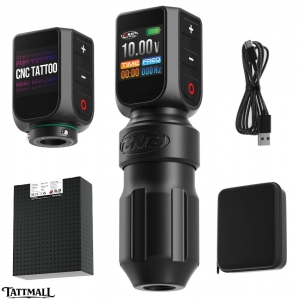
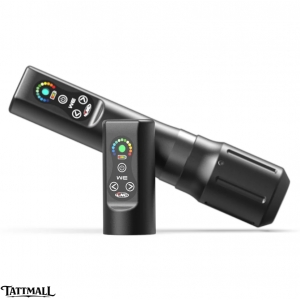
Technology is becoming one of the strongest competitive factors in the tattoo machine industry. Traditional coil machines continue to have dedicated users, particularly among artists who prefer their distinctive mechanical characteristics and adjustable configurations. However, rotary tattoo machines have gained significant attention because of their relatively compact design, smooth operation, and compatibility with modern cartridge systems. Wireless tattoo pens have further expanded this trend by integrating rechargeable batteries, displays, electronic controls, and increasingly sophisticated power-management systems into the machine body. These developments allow artists to reduce cable clutter and improve mobility around the workstation. However, advanced technology also creates new expectations for battery durability, heat management, firmware reliability, repairability, and technical support. Innovation is no longer defined only by motor power; it increasingly depends on how effectively mechanical, electrical, and digital systems work together.
Wireless equipment is expected to remain an important product category as artists seek greater flexibility and simplified studio workflows. A cordless tattoo device can reduce dependence on external power supplies and cables, making it easier to move around the workstation or travel with equipment. Battery capacity alone, however, is not enough to determine product quality. European professional users are increasingly likely to evaluate voltage stability, charging protection, operating temperature, battery aging, weight distribution, and the availability of replacement power components. A well-designed cordless tattoo pen should provide predictable performance throughout normal operating conditions rather than delivering strong output only when the battery is fully charged. As wireless systems become more common, manufacturers will need to improve energy efficiency and make battery-related information easier for users to understand. Portability is valuable only when it is supported by reliable and consistent power management.
Regulatory awareness is becoming increasingly important for companies selling tattoo-related products in Europe. Tattoo equipment itself may fall under different product-safety, electrical, battery, waste, and consumer-protection requirements depending on its design and the countries where it is sold. Products containing electronic components may need to address relevant EU rules, including requirements related to electrical equipment, electromagnetic compatibility, hazardous substances, and waste management where applicable. Manufacturers and importers also need to understand their responsibilities regarding technical documentation, product traceability, labeling, and market surveillance. The European Commission provides guidance on CE marking and product rules, although CE marking is not a universal label that automatically applies to every product category. For tattoo machine brands, regulatory compliance should be treated as an engineering and market-entry process rather than simply adding a symbol to a product.
Hygiene compatibility continues to influence the design of professional tattoo equipment. Tattoo artists need equipment that can fit into appropriate studio hygiene procedures, including the use of protective barriers, compatible disposable components, and manufacturer-recommended cleaning methods. A machine should be designed so that frequently handled surfaces can be managed effectively without damaging sensitive electronic or mechanical components. Cartridge systems have also become popular because they can simplify workflow, although cartridge compatibility and safety features vary between designs. Manufacturers should provide clear instructions about which components are reusable, which are single-use, and how the machine body should be cleaned or protected. Product design and hygiene practices must work together to support safe and practical professional use.
The middle of the market is becoming increasingly competitive, particularly for artists comparing performance, price, and long-term value. Entry-level tattoo machines can attract beginners because of their affordability, while premium equipment may appeal to established professionals who prioritize refined ergonomics, motor quality, advanced controls, and brand support. Between these segments, a growing number of manufacturers are competing with mid-range wireless and rotary products. For buyers, this means that technical specifications alone may not clearly reveal the real difference between products. A
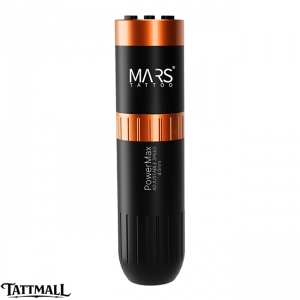
tattoo pen machine
with similar advertised voltage, stroke length, or battery capacity may still feel very different depending on motor design, manufacturing precision, internal balancing, and electronic control systems. The strongest products will likely be those that combine transparent specifications with consistent real-world performance and reliable after-sales support.
Ergonomics is becoming a major purchasing factor as tattoo artists place greater attention on long-session comfort. Professional tattooing can involve extended periods of repetitive hand movement, which makes machine weight, balance, grip diameter, vibration, and surface texture important considerations. Manufacturers are responding with lighter housings, improved motor balancing, interchangeable grips, and more compact battery systems. However, reducing weight is not always the only goal. A machine that is too light or poorly balanced may feel unstable, while a larger battery may improve runtime but create additional strain if the center of gravity is poorly positioned. The future of tattoo machine design will focus increasingly on balancing performance with practical human factors. This trend may also encourage more personalized equipment options, allowing artists to select grips, battery modules, and operating characteristics that better match their working style.
Digital controls and connected technology are likely to become more common, but simplicity will remain important. Modern tattoo devices may include OLED displays, memory settings, adjustable operating modes, Bluetooth connectivity, mobile applications, and firmware updates. These features can help artists save preferred configurations, monitor battery status, and manage machine settings. However, advanced technology also creates potential concerns about software reliability and long-term support. European users may reasonably expect manufacturers to explain how connected features operate and whether software updates will remain available. Companies developing smart tattoo equipment should also consider cybersecurity and data protection, particularly if applications collect user or device information. Digital features should improve workflow and reliability rather than create unnecessary dependence on complicated software.
Sustainability is another issue that is gradually influencing purchasing and product development decisions. Tattoo studios require many disposable items for hygiene and workflow, which makes complete elimination of waste unrealistic. Nevertheless, equipment manufacturers can reduce unnecessary environmental impact through durable product construction, repairable components, reduced packaging, efficient battery systems, and responsible material selection. Longer-lasting equipment can reduce replacement frequency, while access to replacement parts may prevent a minor component failure from making an entire machine unusable. Packaging design can also be improved by reducing unnecessary plastic or oversized materials. Environmental responsibility in the tattoo machine industry is likely to focus on practical improvements rather than unrealistic claims of zero impact.
Distribution models are also changing as European buyers increasingly compare equipment through online platforms, specialized retailers, professional distributors, and direct-to-consumer brand websites. Online sales make it easier for artists to compare prices and technical specifications, but they also increase competition and make counterfeit or poorly documented products more visible. Manufacturers can differentiate themselves by offering clear manuals, authentic product verification, warranty information, replacement components, and responsive technical support. Professional distributors remain valuable because they can provide localized service and help customers understand product compatibility. Multilingual documentation is particularly important in Europe, where a product may be sold across multiple language markets. Reliable information and post-purchase support are becoming important competitive advantages alongside product performance.
Counterfeit products and unclear product origins remain challenges for established brands and professional buyers. Equipment that copies the appearance of a well-known tattoo machine may not provide the same materials, motor quality, battery protection, or manufacturing consistency. Professional artists should evaluate products based on verified suppliers, accurate documentation, warranty terms, and realistic specifications rather than appearance alone. Manufacturers can also reduce counterfeit risks through serial-number systems, secure packaging, official distributor networks, and transparent product information. For distributors, maintaining supply-chain visibility can help prevent unauthorized or misrepresented products from reaching customers. Trust and authenticity are becoming increasingly valuable assets in a crowded equipment market.
After-sales service will play a larger role as tattoo machines become more technologically complex. A simple mechanical machine may require basic maintenance, while a modern cordless or digitally controlled device can involve batteries, charging systems, displays, firmware, electronic boards, and specialized components. If replacement parts are unavailable, even a relatively small failure may result in unnecessary product replacement. Manufacturers that provide repair options, technical guidance, software support, and clear warranty policies may therefore gain a stronger long-term reputation among professional users. This is especially important for European customers who may purchase equipment through cross-border channels and expect consistent support regardless of where the product was originally manufactured. Long-term serviceability is becoming part of product quality, not merely a customer-service feature.
Looking ahead, the European tattoo machine industry is likely to continue moving toward more integrated, efficient, and user-centered technology. Improvements in compact motor design, battery technology, electronic controls, vibration management, and materials could create machines that are lighter, more consistent, and easier to customize. At the same time, regulation, environmental expectations, product traceability, and consumer awareness will continue to influence manufacturer decisions. Traditional coil machines are unlikely to disappear completely because different artists maintain different technical preferences, but rotary and wireless systems will probably remain central to future product development. The industry is moving toward equipment that combines mechanical reliability with smarter power management and stronger long-term support.
In conclusion, Europe's tattoo machine industry is becoming more sophisticated, competitive, and technically demanding. Manufacturers must now consider more than basic motor performance because buyers increasingly evaluate ergonomics, wireless technology, battery safety, hygiene compatibility, digital controls, sustainability, product authenticity, repairability, and after-sales service. For professional artists and distributors, the best purchasing decisions will come from comparing complete product systems rather than relying on a single specification or marketing claim. As the market continues to develop, the
tattoo pen machine
and other modern rotary designs will remain important symbols of the industry's technological transition. The companies most likely to succeed will be those that combine consistent performance with transparent information, responsible product development, reliable support, and a clear understanding of Europe's diverse professional tattoo market.
FAQ
1. What is currently driving growth in the European tattoo machine market?
Technology, professionalization, and changing consumer expectations are major drivers. Demand for wireless equipment, rotary systems, improved ergonomics, cartridge compatibility, and more reliable battery technology continues to influence product development.
2. Are rotary tattoo machines replacing traditional coil machines in Europe?
Not completely. Rotary and pen-style machines have become increasingly popular because of their compact design and smooth operation, but coil machines still have dedicated professional users who prefer their traditional mechanical characteristics.
3. What should European buyers consider before importing tattoo machines?
Buyers should consider applicable product-safety requirements, electrical and battery regulations, technical documentation, labeling, traceability, warranty support, and local market requirements before placing products on the market.
4. Why is after-sales service important for modern tattoo machines?
Modern equipment can include motors, rechargeable batteries, electronic displays, charging systems, and software. Access to technical support, replacement parts, repairs, and firmware updates can significantly influence long-term product value.
-300.jpg "MARS Intelli Wireless Tattoo Machine 4mm Stroke (Dual Batteries)")


